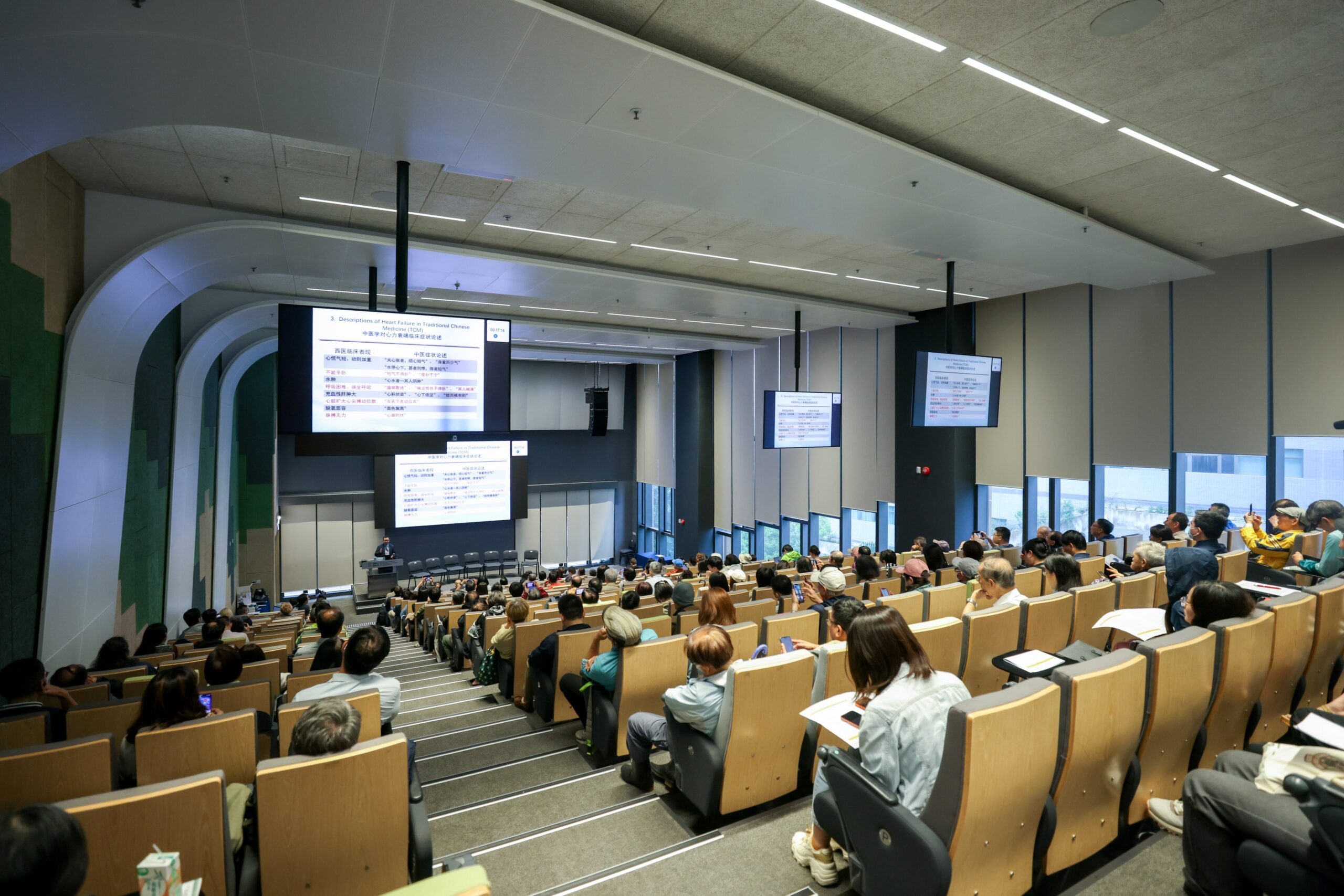


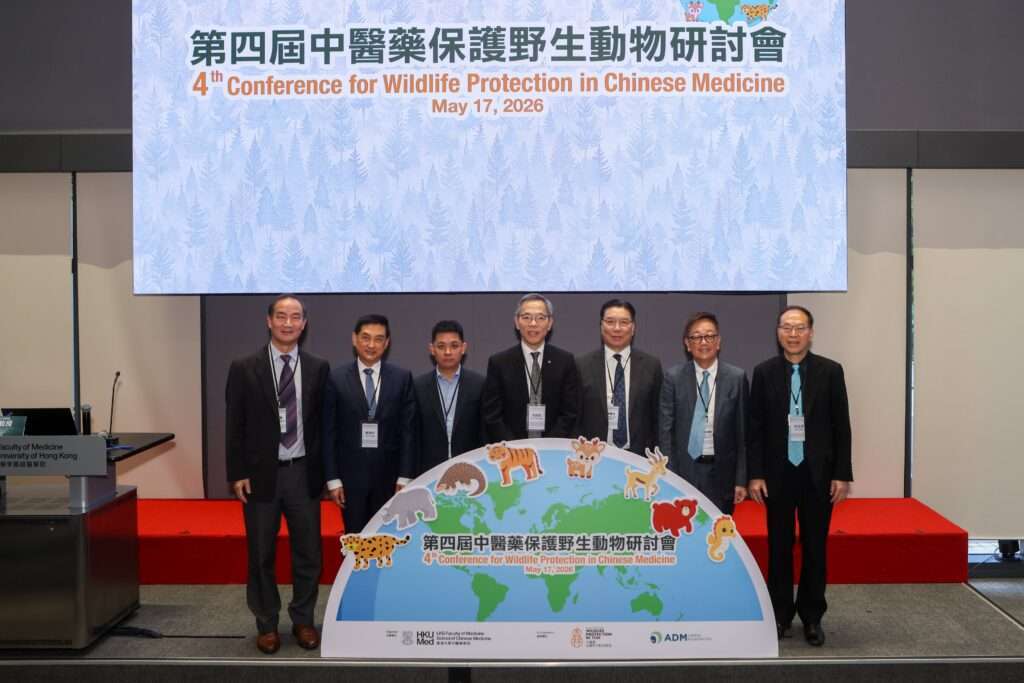
On May 17, 2026, the Coalition for Wildlife Protection in Traditional Chinese Medicine (TCM), University of Hong Kong School of Chinese Medicine, LKS Faculty of Medicine, and ADM Capital Foundation co-hosted the 4th Conference for Wildlife Protection in Traditional Medicine, the latest milestone in our growing global movement to eliminate the use of endangered wildlife products in TCM and promote sustainable, ethical alternatives. The event, held at the University of Hong Kong (HKU) campus and co-chaired by Professor Feng Yibin, former Director of the HKU School of Chinese Medicine, and Professor Lao Lixing, President of the Virginia University of Integrative Medicine, attracted nearly 250 participants, bringing together top scholars, government officials, and representatives from the Chinese medicine sector across Mainland China, Hong Kong, the United States, the Netherlands, the Philippines, and Vietnam.
Prominent Hong Kong figures voiced their strong support for wildlife protection in TCM, including Professor Lau Chak-sing, the Vice-President & Pro-Vice-Chancellor (Health) and Dean of the Li Ka Shing Faculty of Medicine and Professor Zhang Zhang-Jin, Director of the HKU School of Chinese Medicine. Meanwhile, key government leaders like Mr. Li Ying-sang Tommy, Deputy to the 14th National People’s Congress of the People’s Republic of China and President of the Federation of the Hong Kong Chinese Medicine Practitioners and Chinese Medicines Traders Association, Mr. Yu Zhibin, Director, Department of Traditional Chinese Medicine, China Chamber of Commerce for Import & Export of Medicines & Health Products, and Dr. Ho King-yan Kevin, Endangered Species Protection Officer, Agriculture, Fisheries and Conservation Department, Hong Kong SAR, joined hands in a demonstration of unity in the opening ceremony.
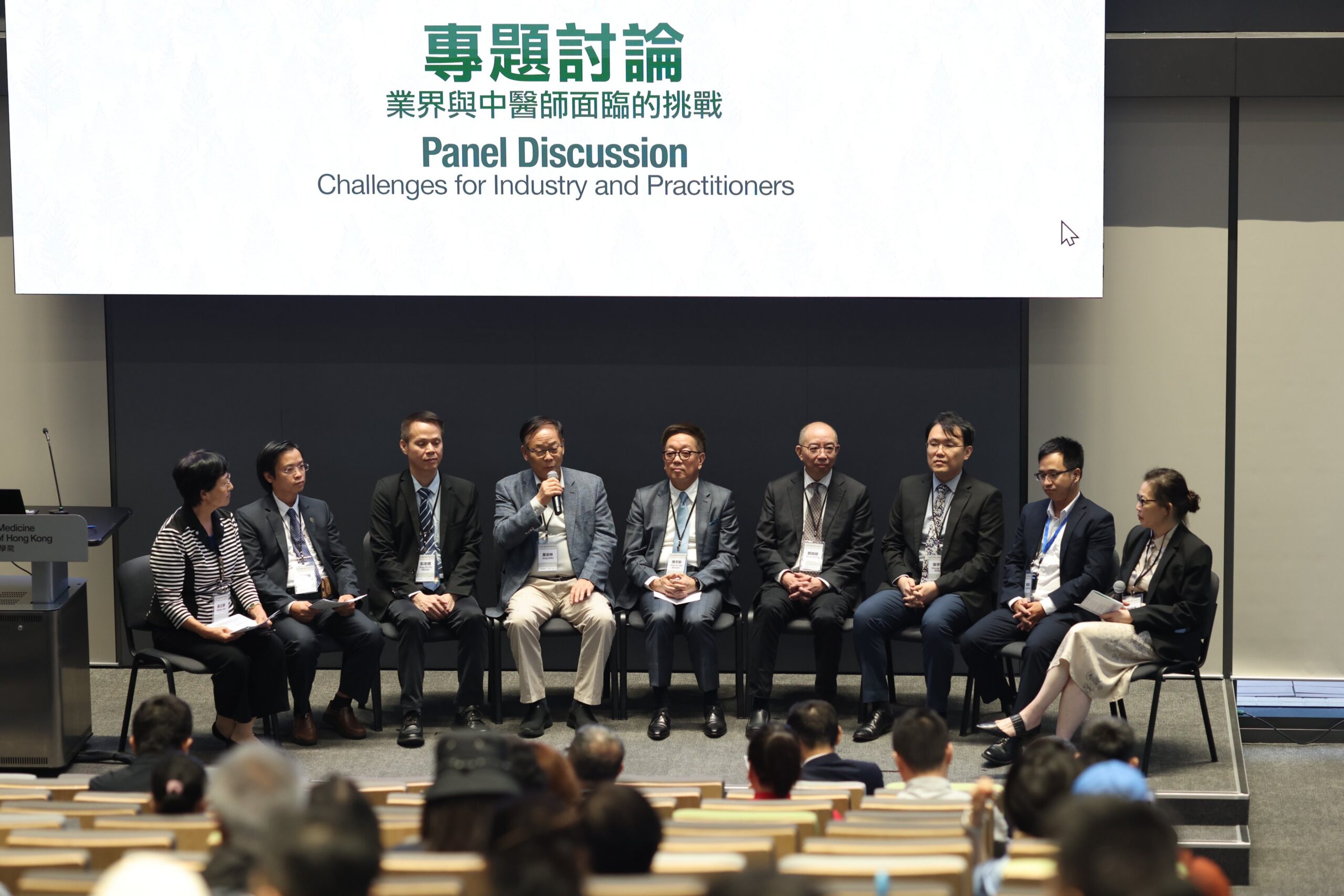
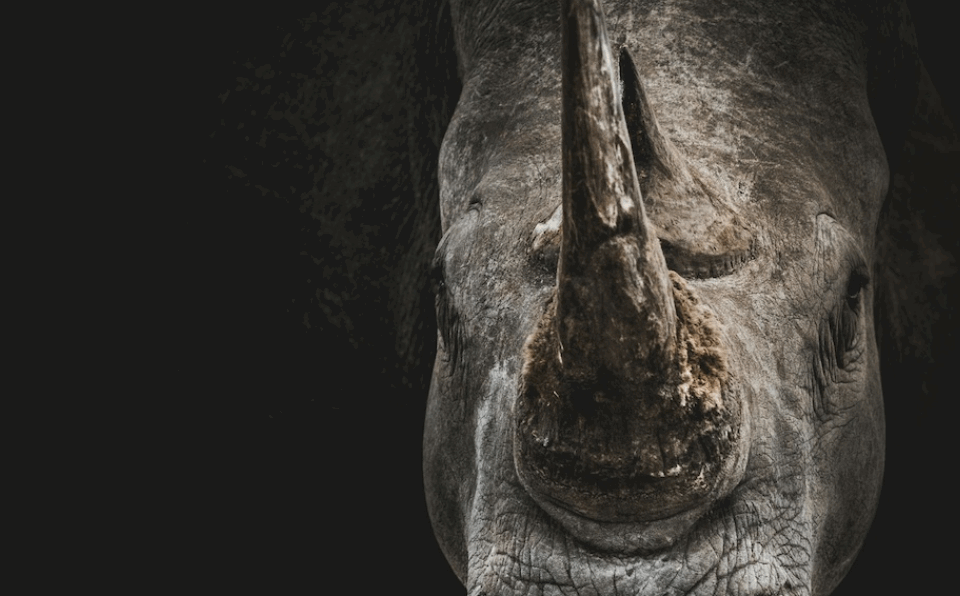
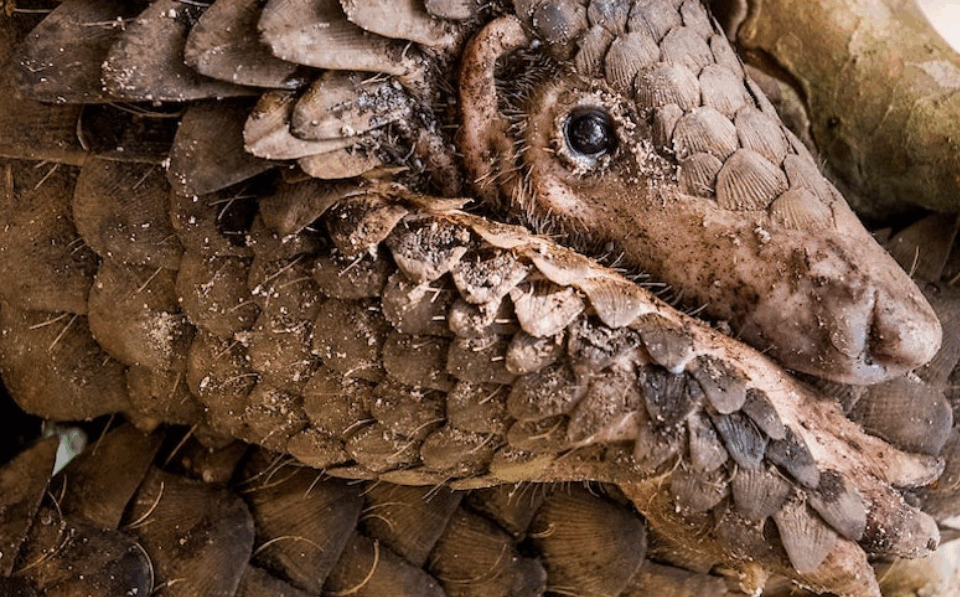
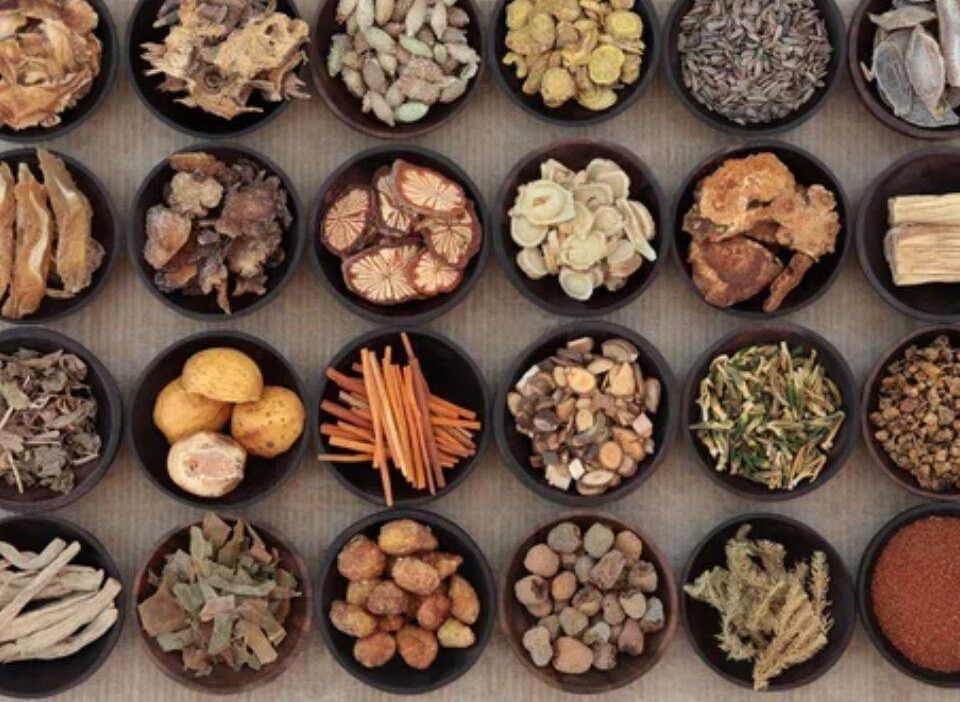
This year’s conference demonstrated how the Coalition has evolved from an emerging initiative into a global platform for collaboration, education, and action. Prominent researchers, practitioners, educators, and industry representatives from around the world gathered once again to exchange scientific research, clinical experience, and practical strategies for wildlife-free medicine. Keynote speakers included Professor Yu Shi-shan, Academician of the Chinese Academy of Engineering and Doctoral Supervisor at the Institute of Materia Medica, who shared his research on therapeutic substances and the development of artificial substitutes for endangered animal medicinal materials in Chinese medicine, including production of synthetic medicines as substitutes for pangolin scales and rhino horn, and Professor Feng Yibin, HKU, who spoke of the importance of endangered wildlife protection and ready alternatives to bear bile. Professor Lao Lixing, VUIM, delivered a plenary speech on wildlife protection laws, regulations, and ethics in TCM, calling attention to the Tang Dynasty’s “King of Chinese Medicine”, Sun Si Miao, and his famous text proclaiming that taking an animal’s life to treat a human’s goes against the principles of TCM. And Professor Wang Zhengtao, a lifetime Professor from the Institute of Chinese Materia Medica, Shanghai University of Traditional Chinese Medicine, provided insights on the strategy for protection and substitution of wildlife in TCM, noting an abundance of available plant-based remedies.
The growing diversity of participants and international partnerships reflected the increasing recognition that protecting biodiversity and advancing traditional medicine can, and must, go hand in hand. The complete list of esteemed speakers included Dr. Wang Yifu (Chinese University of Hong Kong, Shenzhen), Professor Wong Man-sau (Hong Kong Polytechnic University), Professor Cheng Yong-Xian (Shenzhen University), Professor Shen Jiangang (HKU), Professor Zheng Qiming (Philippine TCM and Acupuncture Association), Dr. Doan Van Minh (Hue University of Medicine and Pharmacy), Dr. Tran Nhat Minh (Hue University of Medicine and Pharmacy), Dr. Pang Chi Piu (University of Hong Kong Chinese Medicine Alumni Association), Cheung Yu Ho (University of Hong Kong Bachelor of Chinese Medicine Alumni Association), Yvonne Lau (Mayway Corporation), Lixin Huang (American College of TCM), Chan Yu Ling Abraham (Purapharm), and Dr. Dong Zhilin (World Traditional Medicine Forum). These presenters reinforced the importance of continued education and scientific innovation, and shared evidence-based approaches demonstrating that effective patient care does not require the use of endangered wildlife products. Calls for the development of wildlife protection curriculum were met with strong support, including from key leaders at the HKU who suggested such courses become a mandatory part of a practitioner’s education. Discussions emphasized that sustainable alternatives for ingredients like pangolin scales, bear bile, antelope horn, and rhino horn are not only possible, but increasingly available through ongoing research and modern advancements in herbal medicine and biotechnology.
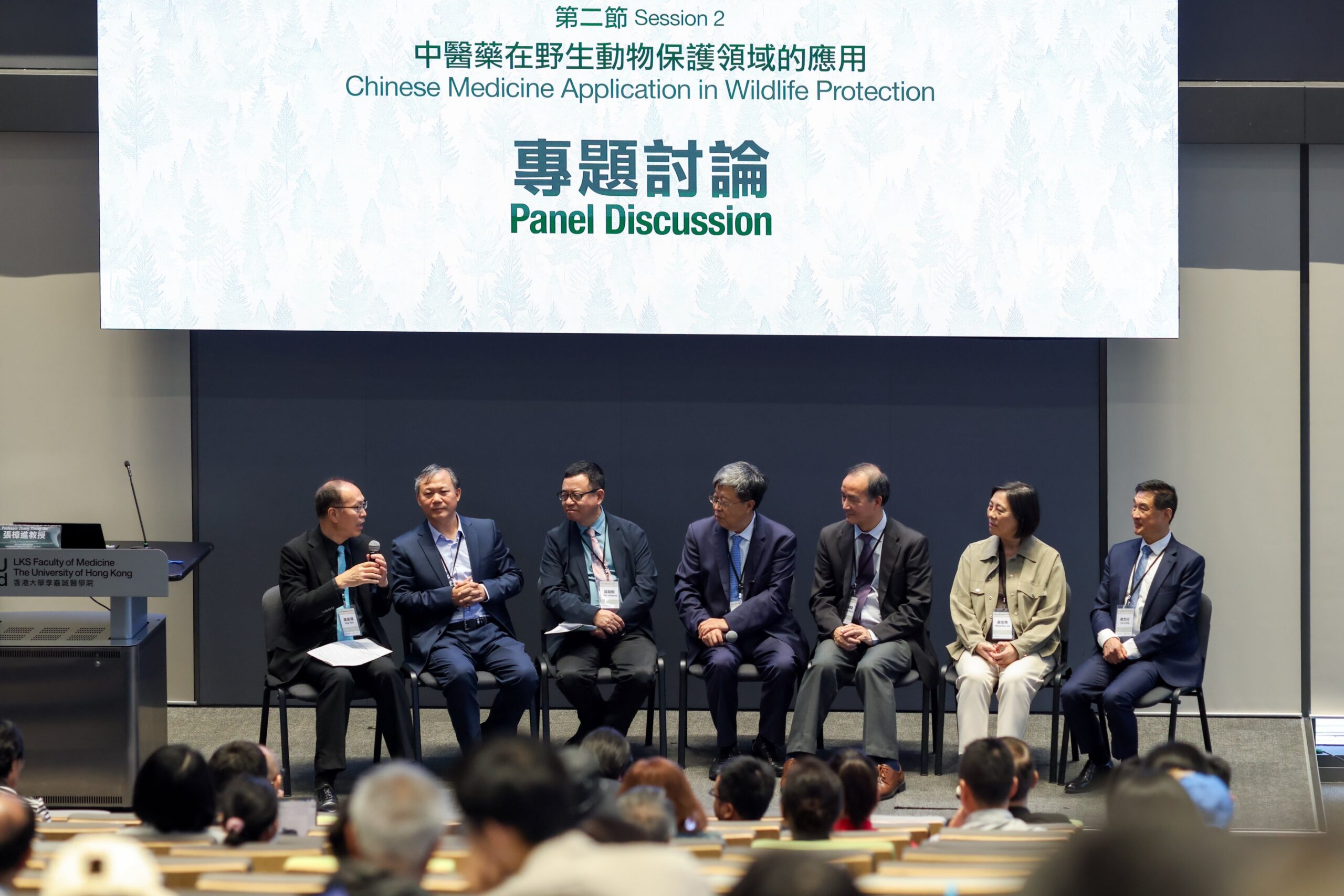
We launched the Coalition in 2024 with a shared commitment to protect endangered species while preserving the integrity and future of TCM. At that time, influential practitioners and educators publicly affirmed that the use of endangered wildlife products does not reflect the core principles of TCM, which emphasize harmony between humans and nature. The launch marked the evolution of TCM practice and signaled the beginning of a coordinated international effort to move the profession toward more sustainable and environmentally responsible practices.
Last year, we held our 3rd conference in Hue, Vietnam, and announced the formation of the first country chapter, championed by prominent leaders at the Hue University of Medicine and Pharmacy. The Vietnam Chapter has experienced tremendous enthusiasm and growth over the past year, developing a multi-module curriculum, hosting well-attended workshops across the country, and recruiting over 400 new members committed to wildlife-free traditional medicine. Now, the chapter aims to transform its widespread support into policy action, as it sets its sights on removing pangolins from the Vietnamese Pharmacopoeia, following in China’s footsteps.
Past conferences held in both the United States and Asia have helped strengthen an international network of practitioners committed to ethical medicine and environmental stewardship. The 4th Conference aimed to build upon this momentum and bring it to Hong Kong.
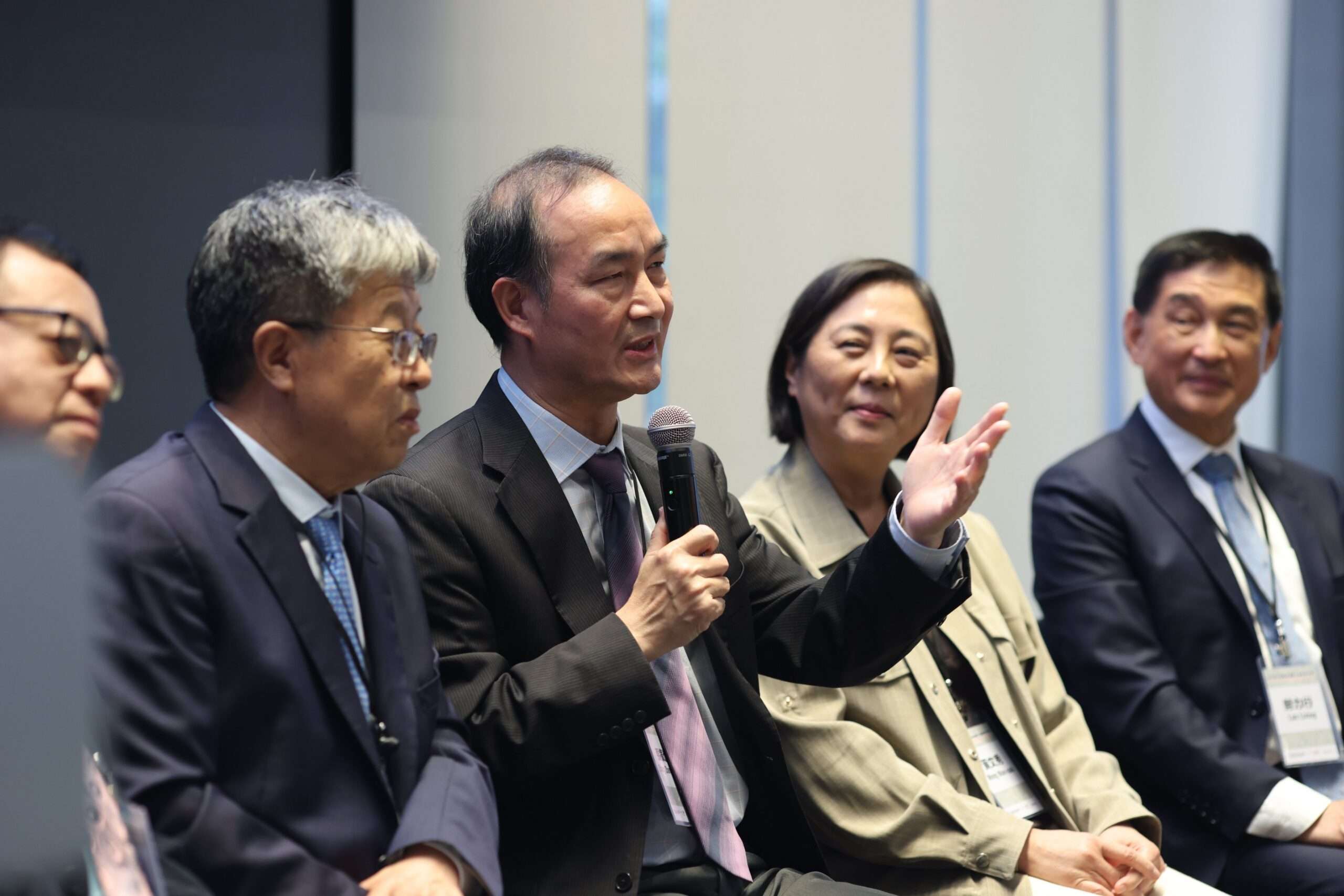
This year’s conference highlighted significant progress achieved since 2024. Over the past year, the Coalition expanded outreach efforts, strengthened partnerships with universities and professional associations, supported research and exchange of knowledge, and elevated conversations around wildlife conservation within the TCM community internationally. During the event, the Coalition was proud to announce the recipients of its first two small research grants focused on finding plant-based alternatives to endangered species medicinal materials: Dr. Longchan Liu from the Institute of Chinese Materia Medica, Shanghai University of Traditional Chinese Medicine, Shanghai, China, and Dr. Le Thuc Trinh from the Hue University of Medicine and Pharmacy, Hue, Vietnam.
Importantly, the Hong Kong conference fostered a strong sense of shared purpose. Participants reaffirmed that the future of traditional Chinese medicine depends on aligning ancient healing wisdom with modern conservation values. By promoting wildlife-free practices, the Coalition is helping protect vulnerable species while safeguarding the global reputation and long-term sustainability of TCM itself.
What began as an important conversation after our first conference in 2022 has now grown into an international movement. The success of the 4th Conference reflects growing momentum driven by collaboration, scientific research, and a collective commitment to a future where traditional medicine supports both human health and the health of the planet.