


COALITION FOR WILDLIFE PROTECTION IN TCM
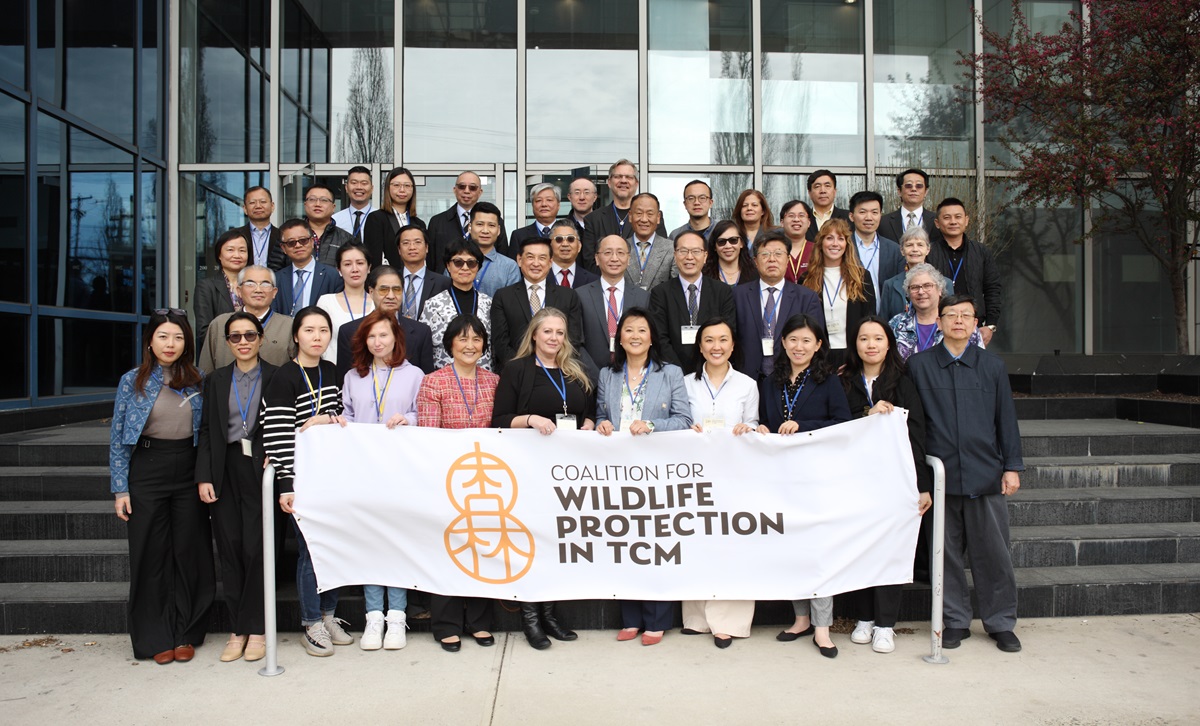
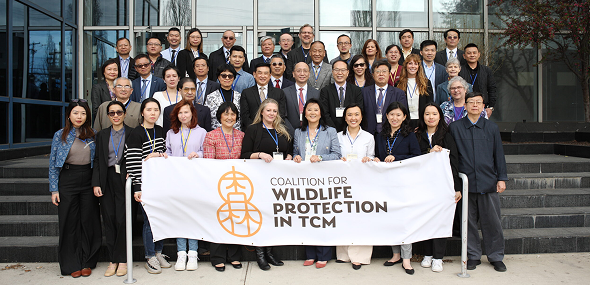
In Chinese medicine, wildlife products have a long history of being prescribed and consumed by the public as medicinal ingredients. Certain wildlife species are now on the edge of extinction due to such demand. The positive image of Chinese Medicine has been seriously distorted by illegal use of endangered wildlife in Chinese medicinal products. In 2022, Dr. Yemeng Chen (President, NYCTM), Dr. Lixing Lao (President, VUIM) and Ms. Lixin Huang (former President, ACTCM) teamed up to bring awareness of this issue to our community. To help push this important work forward with a unified front, we have formed the Coalition for Wildlife Protection in Traditional Chinese Medicine.
WILDLIFE ON THE BRINK OF EXTINCTION

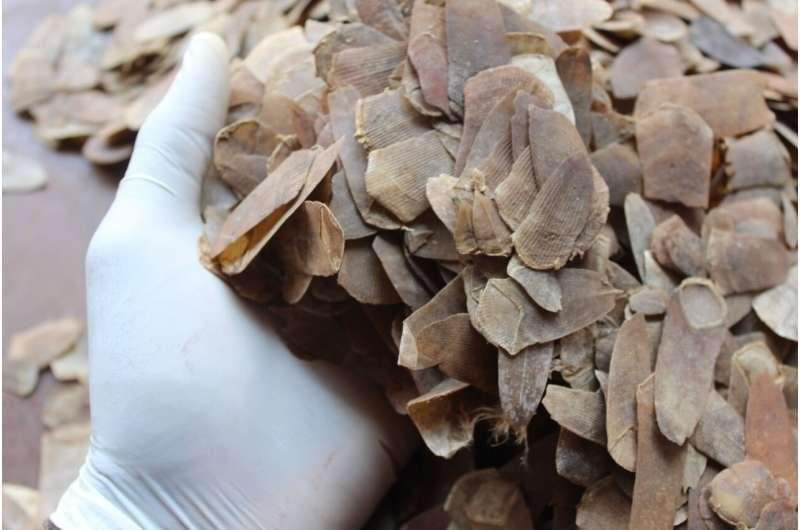
Pangolin
- Over 1 million individuals were killed between 2000 and 2014 (TRAFFIC)
- From 2015 to 2019, a total of 215 tons of pangolin scales were confiscated in Asia (C4ADS)
- All 8 pangolin species are now facing the risk of extinction (IUCN)
- In Asia, the pangolin population has decreased by more than 80% in the last 20 years due to hunting for their scales and meat (IUCN)

Tiger
- The tiger's distribution range has shrunk by 93% in just one century (IUCN)
- It is estimated that there are about 7,000 - 8,000 tigers being kept in captivity in facilities across Asia (TRAFFIC)
- As of November 2021, there are only about 3,900 wild tigers left worldwide, a significant decrease from 100,000 a century ago (WWF)
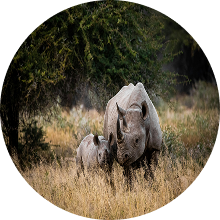
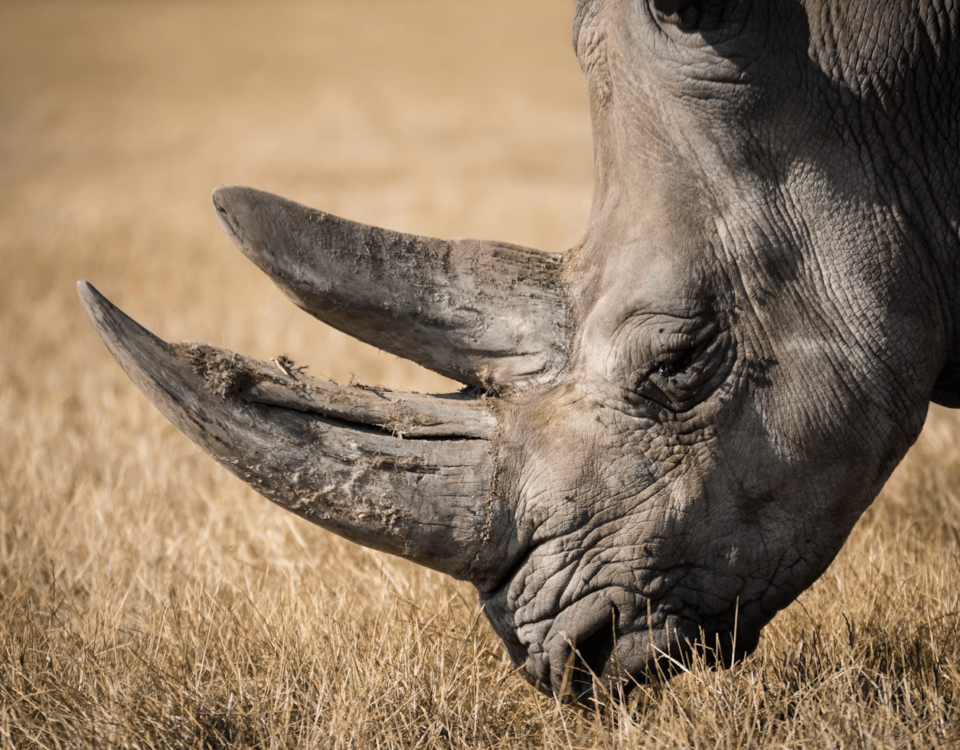
Rhino
- The IUCN Red List classifies 3 of the 5 remaining rhino species (Black rhino, Sumatran rhino, and Javan rhino) as Critically Endangered (IUCN)
- Since the beginning of the 20th century, the global wild rhino population has plummeted from 500,000 individuals to less than 28,000 (IRF)
- In 2023 alone, 586 rhinos were killed by poaching across Africa (IRF)
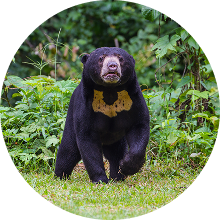
Bear
- More than 12,000 bears are being kept in bile farms in Asia (WAP, 2018)
- As of August 2024, there are still 94 bears being kept in 16 private facilities in Hanoi (ENV)
- Bears are confined in small, narrow cages, often subjected to pain and can die from infections, diseases, dehydration, or starvation.
Traditional Medicine Is
a Contributing Factor
Although they have long existed in Traditional Medicine as precious medicinal ingredients, poaching, overexploitation, and the expanded use of wildlife products is now pushing many species to the brink of extinction. Recent studies and surveys show that a significant proportion of Traditional Medicine practitioners still believe in the healing effects of these products and continue to prescribe them, including species protected by law.

80.7%
of surveyed Traditional Medicine practitioners believe that pangolin products have therapeutic effects for at least one of the following conditions: issues related to mammary glands, blood stasis, and bone and joint diseases (such as arthritis, rheumatism), etc
(WildAid, 2023)

59%
of Traditional Medicine practitioners admitted to having recommended the use of illegal products (from threatened species such as rhino, tiger, and pangolin) to patients within the past two years
(TRAFFIC, 2022)

53%
of surveyed Traditional Medicine practitioners believe that pangolin products can effectively treat blocked milk ducts
(WildAid, 2023)

Over 22,000
advertisements for wildlife products were found in Vietnam between July 2021 and June 2023 on online platforms, of which more than 96% of the advertisements for pangolins were for pangolin scales and medicine made from pangolin scales
(TRAFFIC, 2024)

Up to 400
animal species are used in Traditional Medicine in Vietnam, among which 71 species are listed in the IUCN Red List
(TRAFFIC, 2008)

40%
of Traditional Medicine practitioners admit to still regularly prescribing bear bile to patients
(Animal Asia Foundation, 2013)
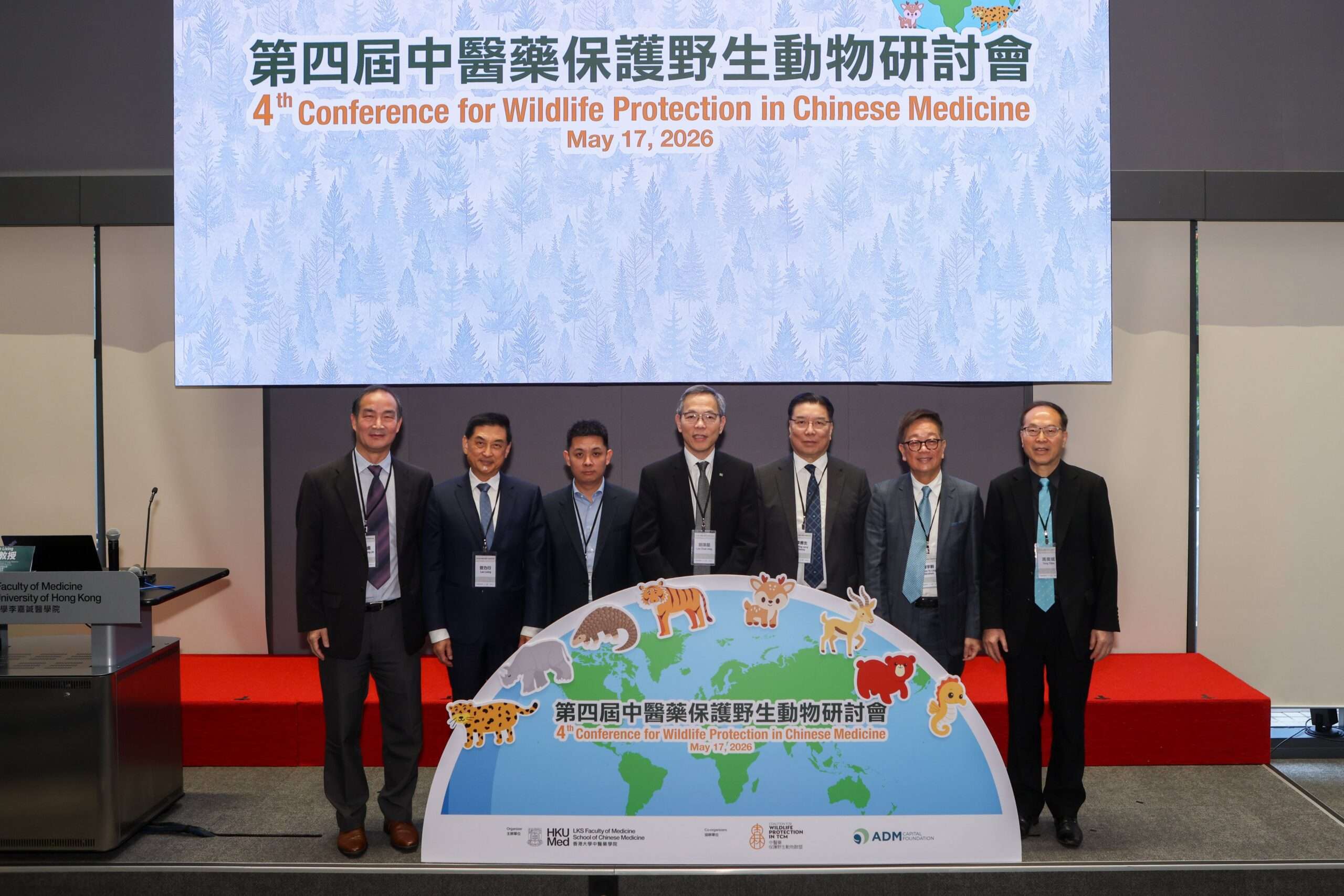
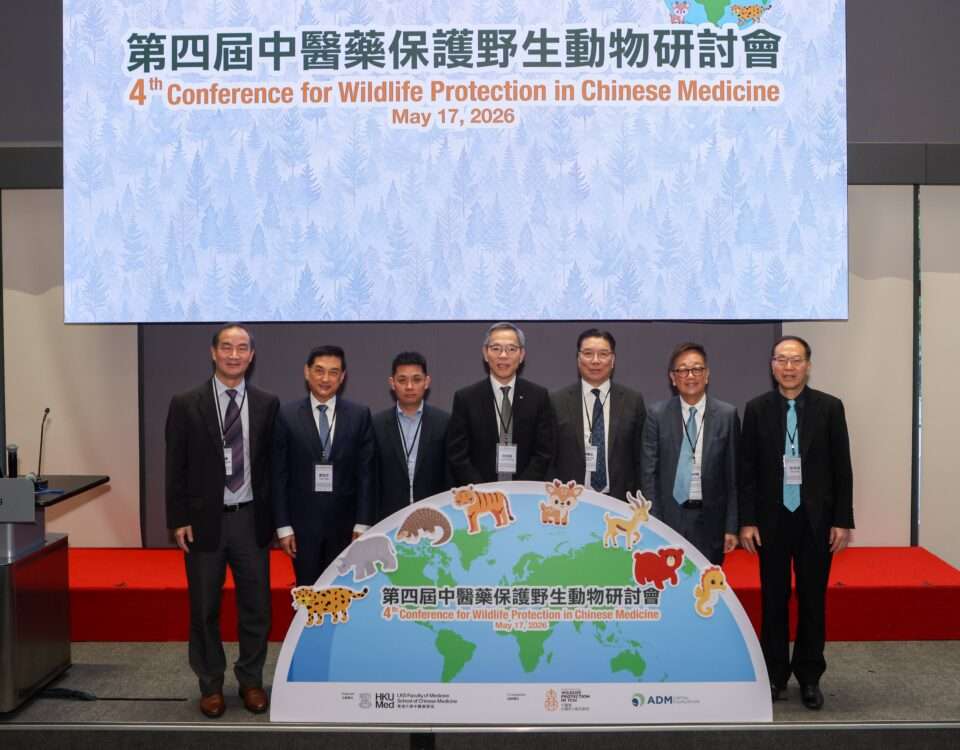
The 4th Conference for Wildlife Protection in Traditional Chinese Medicine 2026
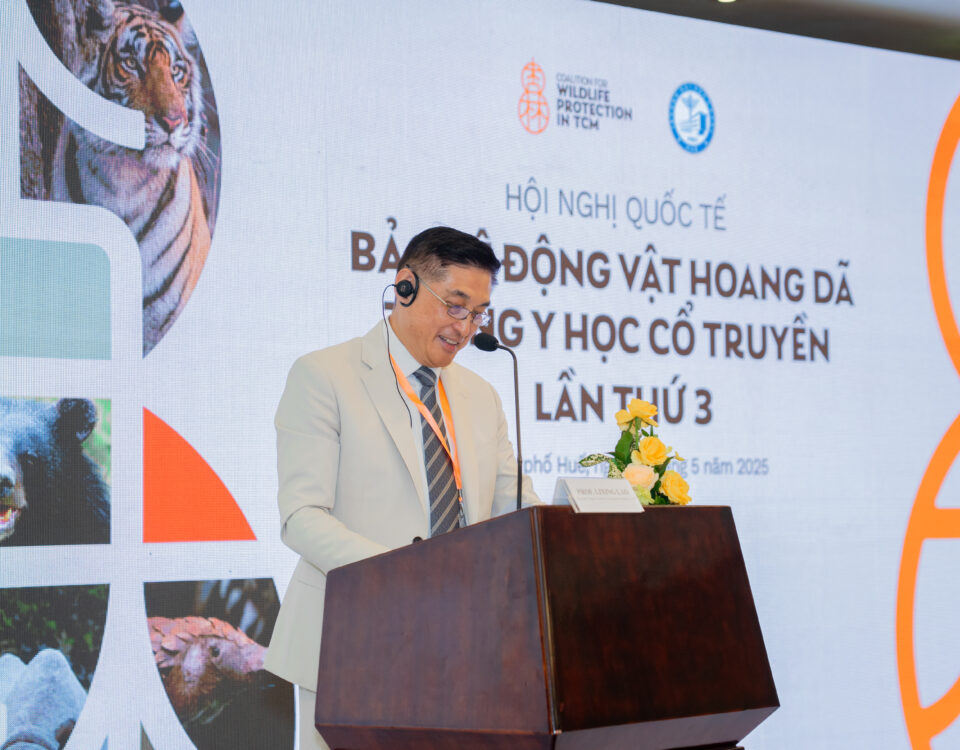
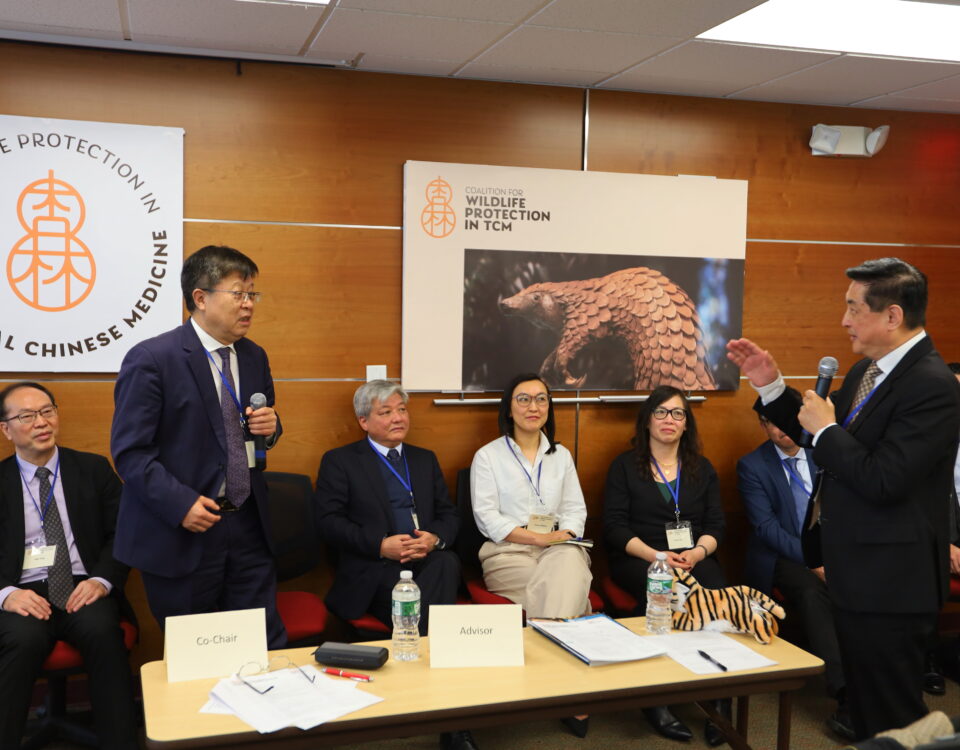
On May 17th, 2026 at The University of Hong Kong (HKU), the Coalition for Wildlife Protection in Traditional Chinese Medicine and partners co-hosted the 4th Conference, bringing together around 250 global experts and practitioners. The conference continued to call for the elimination of endangered wildlife use in traditional medicine and the promotion of sustainable herbal and scientific alternatives.


/https://tf-cmsv2-smithsonianmag-media.s3.amazonaws.com/filer_public/a5/93/a5934c35-fd30-46b1-8e68-214618886580/1_img_6116-1_web.jpg)


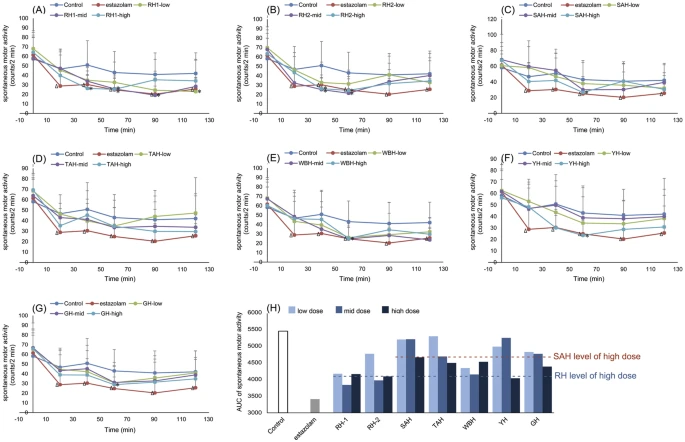
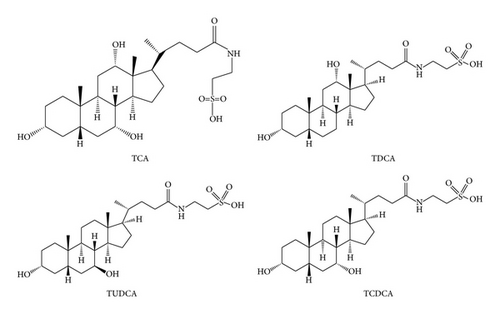

RESOURCES
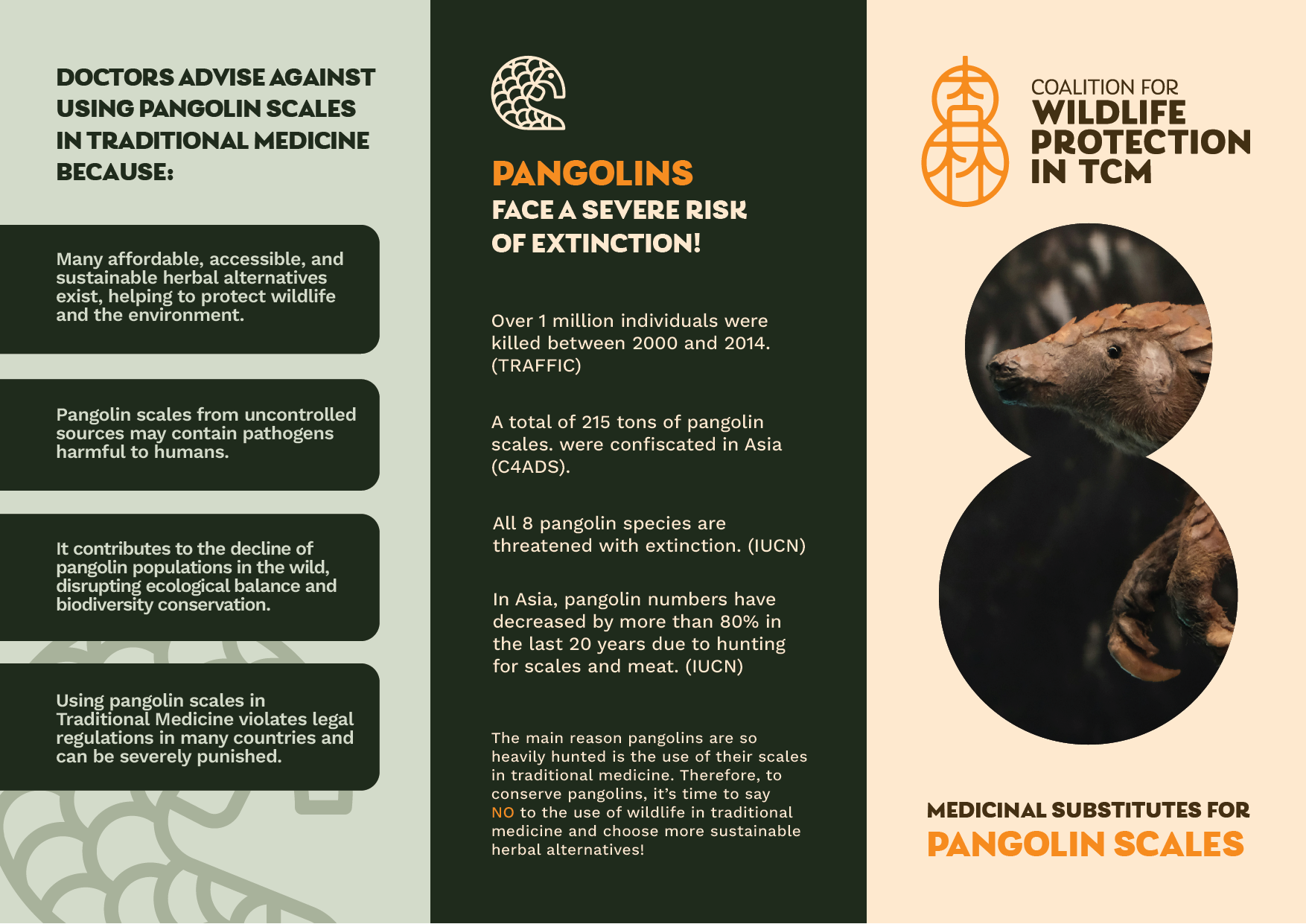
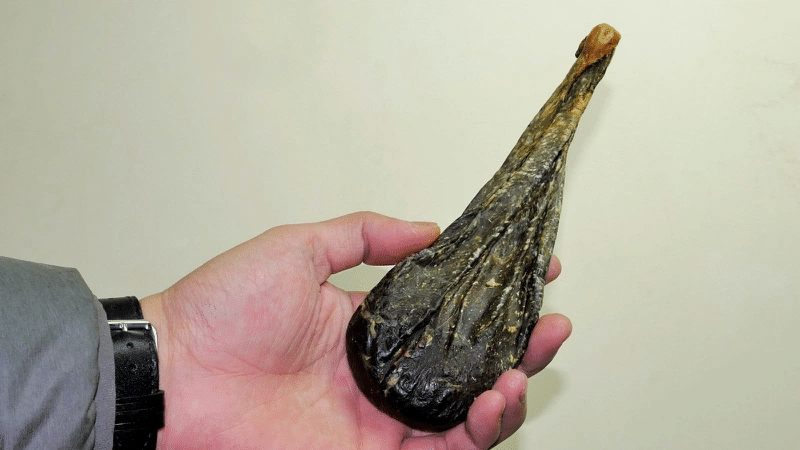
Medicinal substitutes for pangolin scales
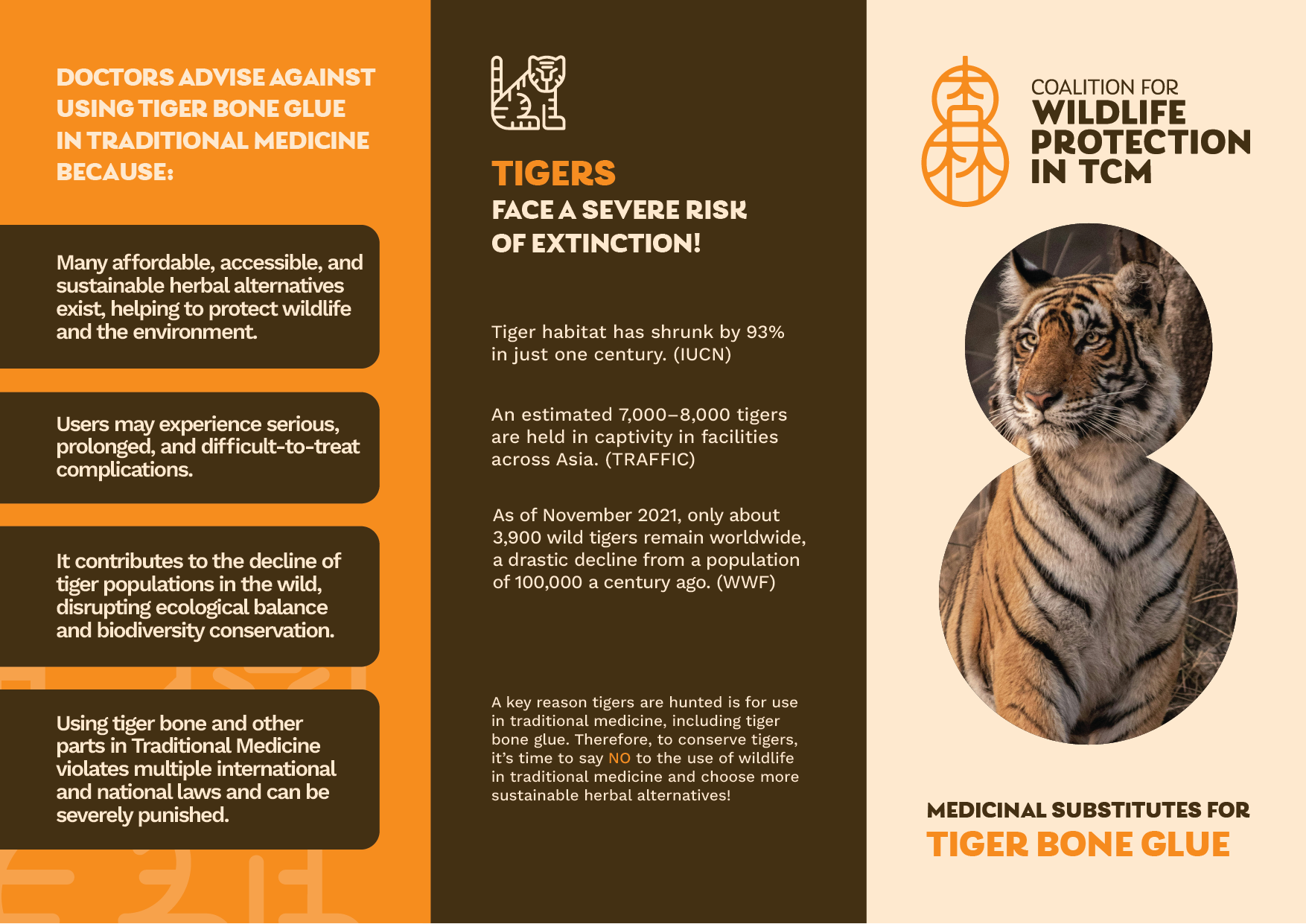
Medicinal substitutes for tiger bone glue
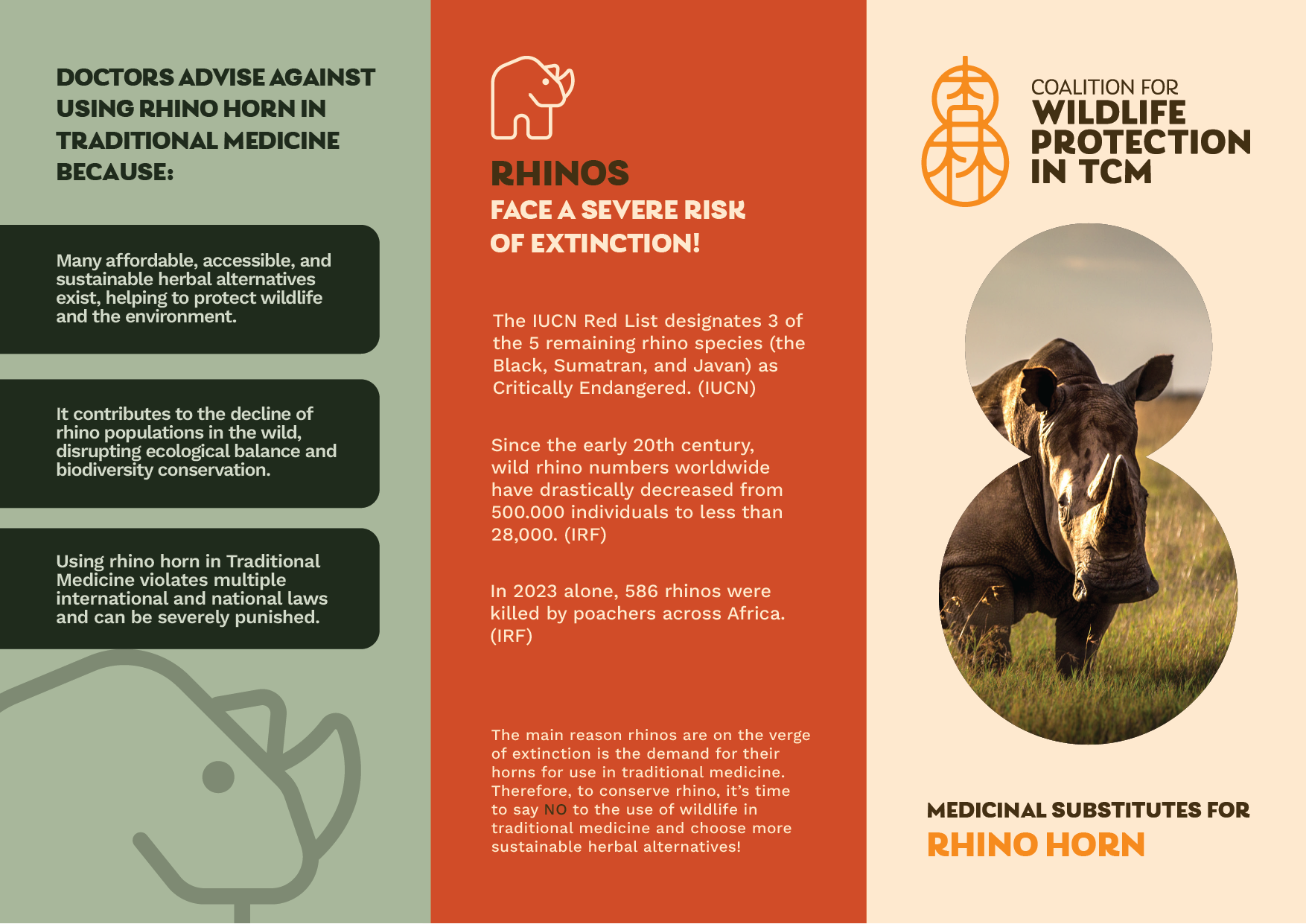
Medicinal substitutes for rhino horn
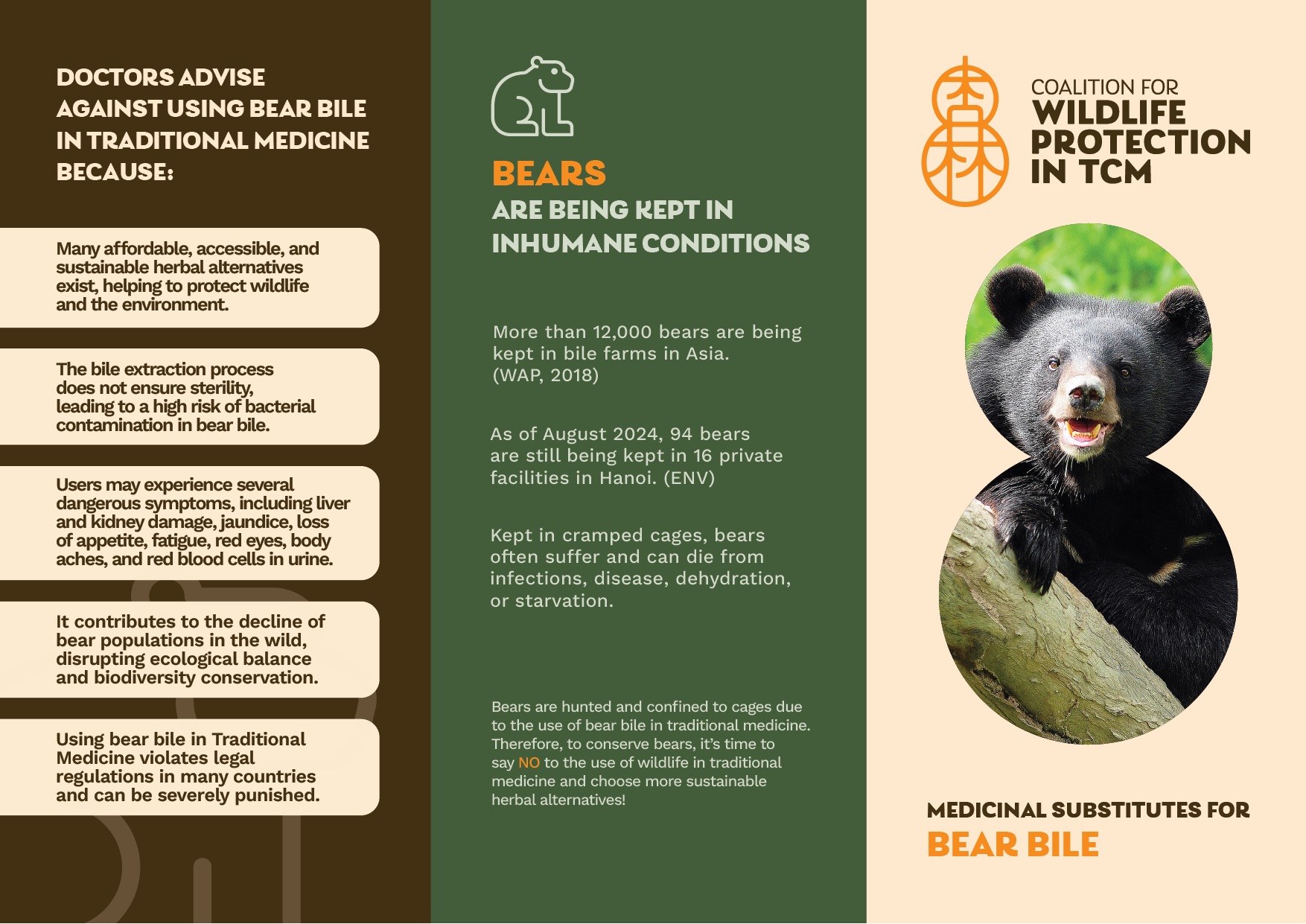
Medicinal substitutes for bear bile


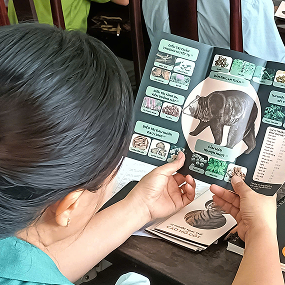
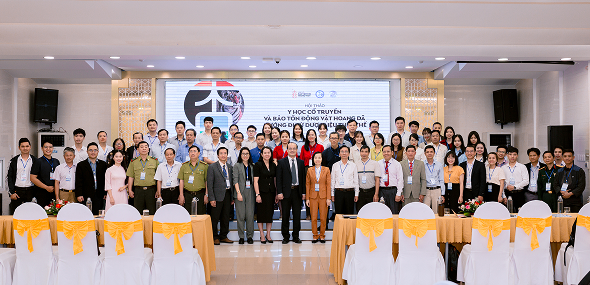


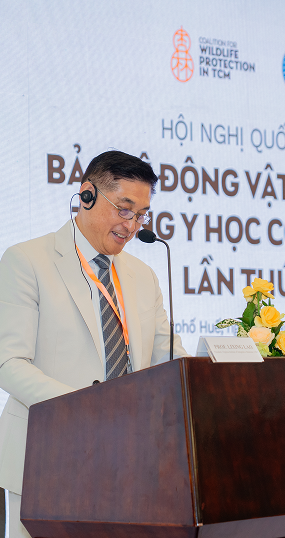
“We hope this conference and coalition will provide a platform for scientific researchers, professors, and practitioners to share their research findings and discuss future collaboration for the sustainable practice of herbal medicine without using endangered animals. We envision a future where herbal medicine will be a green, environmentally friendly practice for the health of human beings and the Earth.”