

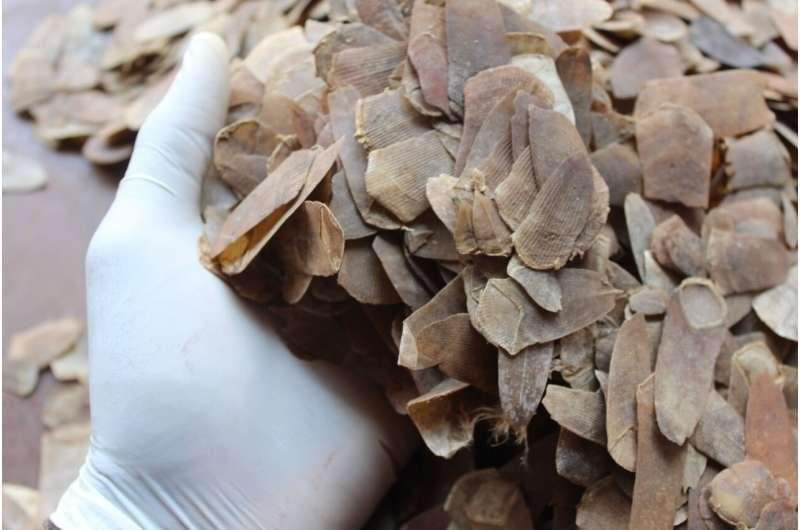
RE-EVALUATING THE THERAPEUTIC EFFICACY OF PANGOLIN SCALES IN TRADITIONAL MEDICINE AND EXPLORING ALTERNATIVE MEDICINAL MATERIALS
Nguyen Thi Kim Lien
Faculty of Traditional Medicine, Hue University of Medicine and Pharmacy, Hue University
Abstract
Objective: This review aims to reassess the therapeutic value of pangolin scales (Squama Manis, known as Chuan Shan Jia) from an evidence-based medicine perspective, while analyzing the scientific basis of potential herbal substitutes to promote the sustainable development of traditional medicine and contribute to wildlife conservation.
Methods: This study was conducted as a narrative review, synthesizing literature from PubMed, Google Scholar, CNKI, and Wanfang databases. Included sources comprised clinical and preclinical studies, systematic reviews, and network pharmacology analyses related to pangolin scales and their potential substitutes.
Results: Clinical evidence supporting the use of pangolin scales is of low quality and fails to demonstrate specific therapeutic efficacy. In contrast, several alternative medicinal materials exhibit comparable or superior effects. In the category of galactagogue therapy, Zhu Ti Jia and Wang Bu Liu Xing demonstrate endocrine-regulating properties and improve mammary gland function. In the treatment of swelling and suppuration, Zhu Ti Jia and pangolin-free formulations show significant anti-inflammatory effects. For promoting blood circulation and resolving blood stasis, medicinal agents such as Tu Bie Chong, Shui Zhi, Dan Shen, and Wang Bu Liu Xing exhibit diverse mechanisms of action and stronger biological activity.
Conclusion: Current evidence does not support the use of pangolin scales as a medicinal material with specific therapeutic efficacy. Substitution with sustainable alternatives represents a necessary direction, ensuring therapeutic effectiveness while advancing the modernization of traditional medicine and contributing to biodiversity conservation.
- INTRODUCTION
The use of wildlife-derived materials as medicinal resources is a long-standing and widespread practice across many cultures, particularly in Asia and Africa [1]. In the contemporary context, traditional medicine (TM) continues to play a significant role in global healthcare, meeting the needs of approximately 80% of the population in developing countries [1]. Within this system, a proportion of medicinal materials of animal origin is still sourced from the wild [1].
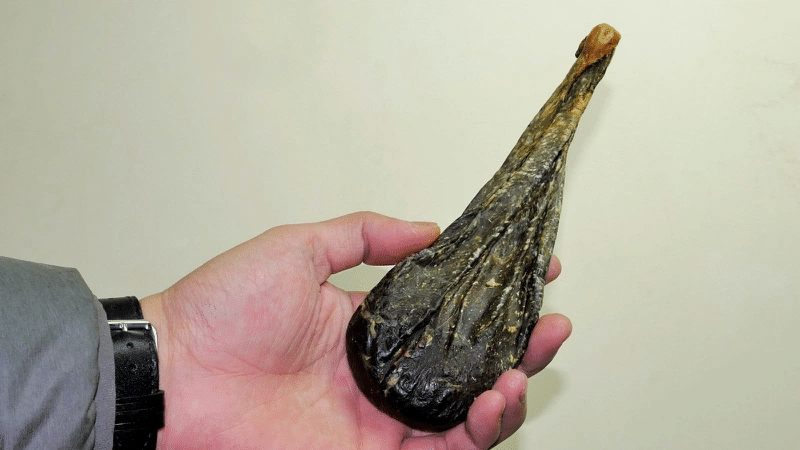
Pangolin scales (Squama Manitis, Chuan Shan Jia) are considered a valuable medicinal material with a history of use spanning thousands of years, as documented in classical medical texts such as the Shennong Bencao Jing [2], [3]. Traditionally, Chuan Shan Jia is believed to promote blood circulation, unblock meridians, reduce swelling, discharge pus, and stimulate lactation, and it is commonly used in the treatment of mastitis, lactation insufficiency, and inflammatory conditions [4]. High demand for this material has contributed to pangolins becoming one of the most heavily exploited species [2], [5].
Pangolins are currently the most heavily trafficked mammals in the world and are facing a high risk of extinction. All eight species are listed on the IUCN Red List, ranging from Vulnerable to Critically Endangered. In response to increasing exploitation pressures, since 2016, all pangolin species have been included in Appendix I of the Convention on International Trade in Endangered Species of Wild Fauna and Flora (CITES), thereby prohibiting all international commercial trade [6]. More recently, in June 2020, China elevated pangolins to Class I nationally protected wildlife and officially removed Chuan Shan Jia from its Pharmacopoeia [7].
Despite its widespread use, scientific evidence supporting the clinical efficacy of pangolin scales remains very limited. Systematic reviews have indicated a lack of reliable data confirming its specific therapeutic value [7]. Moreover, the use of wildlife-derived products poses potential risks to public health. In light of these concerns, this review aims to reassess the therapeutic efficacy of pangolin scales from an evidence-based medicine perspective and to propose potential alternative medicinal materials, thereby contributing to the sustainable development of traditional medicine.
- LITERATURE REVIEW METHODOLOGY
2.1. Literature search strategy
The literature search was conducted flexibly, in accordance with the characteristics of a narrative review, by identifying and synthesizing scientific literature related to the use of pangolin scales in traditional medicine. The primary databases and academic search platforms included PubMed, Google Scholar, CNKI (cnki.net), and Wanfang Data (wanfangdata.com.cn), with searches conducted from April to May 2026.
The search strategy was developed based on a combination of three main groups of keywords: (1) terms related to the medicinal material (e.g., “pangolin scale”, “Squama Manitis”, “Xuyên sơn giáp”, “穿山甲”); (2) terms related to therapeutic effects and indications (e.g., “lactation”, “mastitis”, “anti-inflammatory”, “通乳”, “活血”, “lợi sữa” “chống viêm”,…); and (3) terms related to conservation and substitution (e.g., “pangolin conservation”, “wildlife trade”, “substitute”, “替代药”). These keywords were flexibly combined using Boolean operators (AND, OR) to optimize the sensitivity and specificity of the search process.
2.2. Inclusion and Exclusion Criteria
Inclusion criteria:
– Studies investigating the therapeutic uses of pangolin scales and potential alternative medicinal materials.
– Pharmacological, preclinical, or clinical studies involving pangolin scales and other relevant medicinal substances.
– Review articles, particularly systematic reviews.
– Studies addressing the demand, trade, and conservation of pangolins.
– Research on alternative materials to replace pangolin scales.
Exclusion criteria:
– Publications not directly relevant to the research topic.
– Studies lacking clear methodological descriptions.
– Duplicate reports or studies without accessible full texts.
– Non-scientific materials (e.g., popular media articles, opinion pieces).
2.3. Data synthesis and analysis
Given the nature of a narrative review, data were not synthesized using quantitative methods but were instead analyzed through a descriptive approach combined with comparison and critical appraisal. The selected literature was categorized into key thematic areas, including: (1) the roles and traditional uses of pangolin scales in traditional medicine; (2) modern pharmacological and clinical evidence; (3) studies on alternative medicinal materials; and (4) demand and conservation impacts.
Based on this framework, findings were synthesized to clarify the strength of the scientific evidence and to identify methodological limitations. During the review process, artificial intelligence tools, including NotebookLM and ChatGPT, were used to assist with reference management, content summarization, and information organization from selected sources. These tools were employed solely to enhance data processing efficiency and did not replace the authors’ critical reading, analysis, or scholarly interpretation. The entire process of literature selection, assessment of the quality of evidence, analysis, and scholarly interpretation was conducted by the authors.
- RESULTS
3.1. Reassessment of the clinical efficacy of pangolin scales from an evidence-based medicine perspective
Table 1. Summary of clinical evidence on the efficacy of pangolin scales and methodological limitations of the included studies (from randomized controlled trials, RCTs) [7]
| Author(s)
(Year) |
Condition | Group | Outcome | Risk of bias / Study limitations | |
| Intervention | Control | ||||
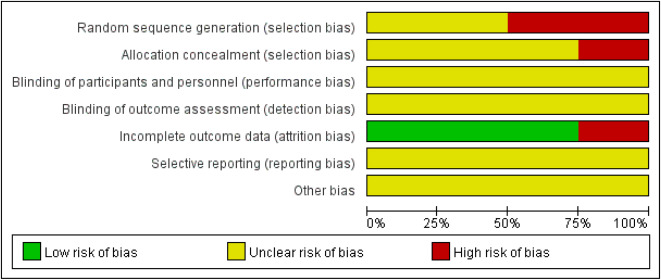
| Liang (2018) | Lactation insufficiency | Pangolin scale powder + TM herbal medicine | TM herbal medicine | The intervention group showed a higher effectiveness rate than the control group (RR = 1.21, p < 0.00001). | High risk of selection bias due to unclear randomization methods. The study also lacked details on allocation concealment. Blinding of participants and outcome assessors was not reported. |
| Zhu (2013) | Lymphadenitis in children | Pangolin scale powder + Ceftriaxone | Ceftriaxone | The intervention group performed better than antibiotics alone (RR = 1.51, p = 0.01). | High risk of attrition bias, as up to four patients in the control group were lost to follow-up, compromising data integrity. The methods of randomization, allocation concealment, and blinding were not clearly reported. |
| Zhang (2011) | Acute mastitis | Pangolin scale powder + Cefuroxime | Cefuroxime | No clear conclusion was reached, as the difference between the two groups was not statistically significant (RR = 1.13, p = 0.16). | The methods for random sequence generation and allocation concealment were unclear. No information was provided regarding the implementation of blinding during the trial or in outcome assessment. |
| Jiang (2007) | Breast hyperplasia | Pangolin scale powder + TM herbal medicine | TM herbal medicine | No clear conclusion was reached, as the difference between the two groups was not statistically significant (RR = 1.07, p = 0.24). | High risk of selection bias due to inappropriate random sequence generation. There was no reporting on allocation concealment and no information on blinding of participants, healthcare personnel, or outcome assessors, leading to potential performance and detection bias. |
Although some studies, including Liang (2018), reported greater efficacy in intervention groups receiving pangolin scale-containing treatments, the methodological quality and study designs of the available evidence remain subject to substantial limitations. In addition, the conditions mentioned above already have conventional treatment options with established safety and efficacy.
Table 2. Summary of case reports, case series, and case–control studies on the efficacy of pangolin scales and their methodological limitations [7]
| Author (Year) | Study type | Condition | Intervention / Control | Outcome | Risk of bias / Study limitations |
| Wang (1994) | Case-control study
(n = 53) |
Leukopenia | Intervention: Pangolin scale powder (n = 13) Control: Leukogen & Tabletti Batiloli (n = 40) | White blood cell counts in the pangolin-scale group were maintained at a higher level (5–6 × 10^9/L) than in the control group (4–5 × 10^9/L). | Very low quality (NOS score: 1/9). Completely lacking transparency in sample selection and outcome measurement. |
| Zhang (1997) | Case series
(n = 42) |
Prostate enlargement | Intervention: Pangolin scale powder Control: None | The author self-reported a 95% effectiveness rate after 14–28 days of treatment. | No control group. The diagnosis was based on clinical judgment without standardized or objective outcome measures. |
| Fan (2002) | Case series
(n = 62) |
Hyperlipidemia | Intervention: Pangolin scale powder Control: None | Cholesterol decreased by 74% and triglycerides decreased by 65.5% after 60 days. | No control group and no control of patients’ diet or lifestyle during the 60-day period. |
| Li (2004) | Case series
(n = 100) |
Periungual inflammation | Intervention: Pangolin scale powder combined with routine surgical debridement and antiseptic treatment Control: None | The author reported a 100% effectiveness rate after 7 days. | No control group. The concomitant use of “routine surgical debridement” introduced confounding, making it impossible to determine whether the effect was due to the pangolin scales or the debridement procedure itself. |
Except for one very low-quality case-control study (NOS = 1/9), the remaining studies had no control groups at all. In modern clinical medicine, without a control group, it is impossible to rule out placebo effects or the possibility of spontaneous recovery. These observational studies and case reports do not provide valid or reliable evidence to demonstrate any true medicinal value of pangolin scales.
3.2. Potential medicinal substitutes for Pangolin Scales
The data presented below encompass evidence from multiple levels, including experimental studies, preclinical research, network pharmacology analyses, and real-world clinical practice data. Therefore, the extent to which these findings can be extrapolated to therapeutic efficacy in humans should be interpreted with caution.
3.2.1. Herbs used to promote lactation and treat insufficient milk supply or lactation obstruction
Table 3. Potential medicinal substitutes for the “promoting lactation and unblocking the channels” category
| Medicinal material | Main constituents | Mechanism of action | Evidence of value |
| Zhu Ti Jia
(Sus scrofa domesticus) |
Keratin, 18 amino acids (rich in leucine and glutamic acid), and trace elements (calcium, magnesium, and zinc) similar to those in Chuan Shan Jia [8], [9]. | Endocrine regulation: stimulates prolactin (PRL) secretion and reduces serum estradiol (E2), thereby restoring the morphology and function of mammary epithelial cells [10], [11]. | – Endocrine index (lactation deficiency): At a high dose (30 g/kg), Zhu Ti Jia increased serum PRL levels to 3.97 ± 0.40 ng/mL (comparable to Chuan Shan Jia, 4.01 ± 0.26 ng/mL), which was significantly higher than in the model group (1.45 ± 0.22 ng/mL), with p < 0.01 [11].
– Inhibiting mammary gland hyperplasia: At a dose of 6.66 g/kg, it markedly reduced E2 levels to 11.00 ± 1.08 pg/mL compared with the model group (12.65 ± 0.58 pg/mL), with p < 0.01 [11]. – Increase in milk output per feeding and per day in lactation-deficient rats (p < 0.05) [10]. |
| Wang Bu Liu Xing (Vaccaria segetalis) | Saponins, flavonoids (especially vaccarin and quercetin), and cyclic peptides (segetalins A, B, G, H) [12]. | – Estrogen-like activity: the segetalins act as phytoestrogens [12], [13].
– Promotes the proliferation of mammary epithelial cells through the prolactin receptor–PI3K–Cyclin D1/SREBP-1c/mTOR signaling pathway [12]. |
– Endocrine index: At a dose of 15 g/kg, it promoted PRL secretion and improved milk production in rats to a level comparable to or greater than that of Chuan Shan Jia [12], [13].
– Quercetin has been shown to enhance mammary gland development by stimulating the production and release of prolactin from the pituitary gland [14]. |
| The herbal pair WLHP: Wang Bu Liu Xing (Vaccaria segetalis) and Lu Lu Tong (Fructus Liquidambaris) | Combination of multiple active constituents: quercetin and oleic acid (from Wang Bu Liu Xing) and ursolic acid (from Lu Lu Tong) [14]. | It exerts a synergistic effect on 101 gene targets involved in milk secretion, and modulates multiple pathways, including PI3K–Akt, prolactin signaling, estrogen signaling, and AMPK [14]. | – This herbal pair is prescribed with the highest frequency (76 occurrences) in the treatment network for lactation insufficiency in Taiwan.
– It acts on 215 therapeutic targets, 101 of which directly overlap with the key biological targets involved in human lactation [14]. |
| Tong Cao
(Tetrapanax papyrifer) |
Characteristic minerals and organic compounds derived from the stem pith [2]. | Diuretic, heat-clearing, and anti-inflammatory actions; promotes fluid circulation and facilitates milk secretion [14]. | – It was prescribed 123 times in a large-scale prescribing survey, with an average dose of 1.3 g/day and a treatment duration of about 7 days per course [14].
– Traditional medicine practitioners in both Vietnam and China consider it a leading substitute when Chuan Shan Jia is prohibited [5], [15]. |
| Pu Gong Ying
(Taraxacum spp.) |
Contains flavonoids, taraxasterol, and polysaccharides [15]. | Clears heat and detoxifies, exerts strong anti-inflammatory effects, and is particularly indicated for lactation obstruction with swelling, heat, redness, and pain (acute mastitis) [14], [16]. | – It was prescribed 66 times, with an average daily dose of 1.3 g, and is consistently among the most frequently used single herbs for patients with mastitis [14], [16]. |
Biochemical and clinical evidence suggests that Zhu Ti Jia and Wang Bu Liu Xing may promote lactation and modulate endocrine responses with effects comparable to or potentially greater than those of Chuan Shan Jia. Notably, the synergistic combination of Wang Bu Liu Xing and Lu Lu Tong may exert multi-target effects on multiple genes and signaling pathways involved in lactogenesis, suggesting a potentially safe and effective alternative.
3.2.2. Herbs for resolving swelling and expelling pus (anti‑inflammatory, anti‑edematous, treatment of sores and abscesses, etc.)
Table 4. Potential medicinal substitutes for the “resolving swelling and expelling pus” category
| Medicinal material | Main constituents | Mechanism of action | Evidence of value |
| Zhu Ti Jia (Sus scrofa domesticus) | Contains high levels of amino acids (particularly glutamate 16.09%, arginine 8.22%, and leucine 8.15%) and trace elements such as Na, Ca, Zn, and Cu. | – Enhances neutrophil phagocytic function, increases the activity of the antioxidant enzyme superoxide dismutase (SOD), and reduces the concentration of the free radical marker malondialdehyde (MDA) [17].
– It exerts a marked inhibitory effect on both acute and chronic inflammation [17], [18]. |
– In a chronic inflammation mouse model, a high dose of Zhu Ti Jia (6.67 g/kg) reduced the weight of inflammatory tissue to 11.48 ± 3.25 g, comparable to pangolin scales (10.75 ± 2.05 g) and markedly lower than the control group (15.64 ± 1.65 g) [18].
– In acute inflammation and abscess models, both Zhu Ti Jia and pangolin scales demonstrated pus‑resolving and abscess‑clearing effects [8], [15]. At high doses, the effects of Zhu Ti Jia and pangolin scales were strongest and did not differ significantly from each other (p > 0.05). All treatment groups significantly reduced MDA levels and increased SOD activity (p < 0.05 or p < 0.01) [17]. |
| Wang Bu Liu Xing (Vaccaria segetalis) | Triterpenoid Saponins (Quillaic acid, Gypsogenin…), Flavonoids, Cyclic peptides [12]. | It inhibits the phosphorylation of the NF‑κB, ERK, JNK and p38 MAPK signaling pathways, thereby suppressing the expression of pro‑inflammatory cytokines [12]. | – It markedly reduces the concentrations of IL‑1, IL‑6 and TNF‑α and inhibits Cyclooxygenase‑2 (COX‑2) in a parasite‑infected mouse model [12].
– It suppresses the formation and differentiation of osteoclasts, thereby preventing inflammation‑induced bone loss (osteolysis) in a lipopolysaccharide (LPS)‑stimulated model [12]. |
| – Tian Hua Fen (Trichosanthes kirilowii Maxim)
– Zhe Bei Mu (Fritillaria thunbergii Miq.) – Jin Yin Hua (Lonicera japonica Thunb.) |
Tian Hua Fen (rich in bioactive proteins and saponins), Zhe Bei Mu (containing steroidal alkaloids), and Jin Yin Hua (providing multiple antiviral constituents) | – Tian Hua Fen: It clears heat, generates body fluids, and reduces swelling while promoting pus drainage.
– Jin Yin Hua: It dispels wind‑heat, detoxifies, and exerts antiviral activity. – Zhe Bei Mu: It clears heat‑phlegm and directly inhibits inflammatory signaling pathways. |
– Zhe Bei Mu significantly inhibits the production of IL‑6, IL‑8 and TNF‑α and downregulates MAPK signaling, a finding of particular clinical relevance because IL‑8 levels are typically markedly elevated in the breast milk of patients with mastitis or breast abscess.
– All three herbs rank among the top ten most frequently prescribed single herbal medicines for female patients with mastitis in Taiwan, each with a prescription frequency of 2.1% – These three herbs constitute the ‘core’ components of Xian Fang Huo Ming Yin, which currently represents the leading formula that has completely replaced Chuan Shan Jia for treating inflammatory swelling and pus formation [16]. |
| Xian Fang Huo Ming Yin formula | Xian Fang Huo Ming Yin, a 12‑herb formula containing Jin Yin Hua, Zhe Bei Mu, Tian Hua Fen, and Dang Gui, was used as the main herbal intervention. | It clears heat and toxins, reduces inflammatory swelling, promotes pus drainage, invigorates blood circulation, alleviates pain, and is widely used for treating sores, deep‑seated abscesses, and various suppurative lesions | – This formula is the most commonly prescribed Chinese herbal prescription for mastitis (including breast abscess) in Taiwan, accounting for 18.2% (28 prescriptions) of all herbal prescriptions recorded.
– In contemporary clinical practice, Chuan Shan Jia has been completely removed from the formula, yet its efficacy in reducing inflammatory swelling and promoting pus drainage remains well preserved. [16]. |
Alternative medicinal materials, such as Zhu Ti Jia at higher doses and the aforementioned heat-clearing and detoxifying herbal medicines, may have the potential to replace the anti-swelling and pus-discharging effects traditionally attributed to Chuan Shan Jia. Notably, the classical formula Xian Fang Huo Ming Yin, following the removal of pangolin scales, has demonstrated the synergistic effects of Tian Hua Fen, Zhe Bei Mu, and Jin Yin Hua in targeted inhibition of pro-inflammatory cytokines.
3.2.3. Blood‑activating, stasis‑resolving, and channel‑unblocking actions (enhancing circulation, relieving pain, and dispersing palpable masses)
Table 5. Potential substitute herbs for the ‘blood‑activating, stasis‑resolving and channel‑unblocking’ category
| Medicinal material | Main constituents | Mechanism of action | Evidence of value |
| Wang Bu Liu Xing (Vaccaria segetalis) | It contains cyclic peptides (Segetalin A, D, F, G, and H), triterpenoid saponins (such as Segetoside I), and various flavonoids [12]. | – Segetalin peptides exert vasorelaxant effects by inducing relaxation of arterial smooth muscle.
– Segetoside inhibits tumor angiogenesis and promotes apoptosis in cancer cells |
– Segetalin G and H exhibit potent vasodilatory activity against norepinephrine‑induced contractions in aortic rings.
– An extract of Wang Bu Liu Xing (40 μg) reduced tumor volume by 58.3% in a Lewis lung carcinoma mouse model and concomitantly decreased microvessel density and endothelial CD31 expression [12]. |
| The herbal pair WLHP: Wang Bu Liu Xing (Vaccaria segetalis) and Lu Lu Tong (Fructus Liquidambaris) | Ursolic acid (from Lu Lu Tong), oleic acid, and quercetin (derived from its combination with Wang Bu Liu Xing) [14]. | – They inhibit pro‑inflammatory and oncogenic pathways (PI3K/AKT, NF‑κB) and exert multi‑target effects on gene networks involved in blood circulation and immune regulation. | – The combined formula of herbal pair WLHP acts on 215 biological targets and is frequently prescribed to unblock meridians and alleviate pain.
– Ursolic acid inhibits invasion and induces apoptosis in breast cancer cells [14]. |
| Zhu Ti Jia
(Sus scrofa domesticus) |
Amino acids, keratin, and trace elements participate in the regulation of vascular function [8]. | They improve hemorheology by reducing blood viscosity and peripheral vascular resistance, thereby resolving local ‘blood stasis’ at inflammatory sites or in areas with impaired microcirculation. | – At a high dose (6.67 g/kg), Zhu Ti Jia markedly reduced high‑shear blood viscosity from 8.77±1.26 mPa.s to 5.42±0.71 mPa.s, with an effect comparable to Squama Manitis (5.75±0.99 mPa.s, p<0.01).
– It reduced hematocrit (HCT) and slowed the erythrocyte sedimentation rate (ESR), demonstrating a potent blood‑activating effect [8]. |
| Dan Shen (Salvia miltiorrhiza) và Yu Jin (Curcuma phaeocaulis) | Tanshinones, salvianolic acids (from Dan Shen), and curcuminoids (from Yu Jin) [16]. | – They enhance blood flow, exert anticoagulant and anti‑inflammatory effects, and alleviate musculoskeletal pain.
– They improve microcirculation in inflamed joint tissues, clear pain‑mediating substances, and thereby reduce inflammatory swelling and musculoskeletal pain. |
– Dan Shen is one of the leading herbs directly recommended by traditional medicine practitioners as a substitute for Squama Manitis in the management of blood‑circulation disorders and inflammatory joint pain [5], [16].
– Yu Jin is also highly valued in traditional medicine regimens for its ability to promote Qi movement, enhance blood circulation, and effectively relieve pain. |
| Animals such as Tu Mie Chong (Eupolyphaga), Shui Zhi (Hirudo), Meng Chong (Tabanus) | Keratin‑degrading enzymes, peptides, and proteins with thrombolytic activity (such as hirudin from Shui Zhi) [19]. | They strongly inhibit platelet aggregation, reduce thrombus formation, and increase erythrocyte mobility. | – Assessment of hemorheological parameters showed that Tu Mie Chong achieved the highest overall response rate on these indices (59.09%), followed by Shui Zhi (50%) and Meng Chong (45.45%), whereas Squama Manitis reached only 18.18%.”
– Tu Mie Chong significantly reduced thrombus length and weight in vitro and decreased platelet adhesiveness. – Shui Zhi reduced plasma viscosity and inhibited platelet surface activity – Meng Chong markedly reduced hematocrit and fibrinogen levels [19]. |
| Gui Zhi Fu Ling Wan | The prescription consisted of a combination of five medicinal materials: Gui Zhi, Fu Ling, Chi Shao, Mu Dan Pi, and Tao Ren. | The formula exerts a synergistic effect in dispersing blood stasis and dissipating masses by warming and unblocking the channels, resolving congealed blood, reducing palpable tumours or nodules, and alleviating pain. | A classical formula that is frequently prescribed in clinical practice as a plant‑based alternative to animal‑derived medicines for managing cysts and palpable masses, resolving blood stasis, and relieving pain [14]. |
Animal-derived medicinal materials such as Tu Mie Chong and Shui Zhi have demonstrated greater effects than pangolin scales in reducing platelet adhesiveness and promoting thrombolysis. Meanwhile, safer plant-based alternatives, such as the combination of Wang Bu Liu Xing and Lu Lu Tong, as well as Dan Shen, show promising multi-target effects, including vasodilation, promotion of meridian circulation, inhibition of angiogenesis, and antitumor activity.
- DISCUSSION
4.1. Reappraising the clinical effectiveness of pangolin scales from an evidence‑based medicine perspective
Although pangolin scales (Squama Manitis, Chuan Shan Jia) have long been used in traditional medicine for promoting lactation, unblocking channels, activating blood circulation, and reducing swelling, modern scientific evidence does not substantiate these purported effects. Recent systematic reviews indicate that most clinical studies on pangolin scales are of poor methodological quality, consisting mainly of case reports, case series, or small observational studies, whereas well‑designed randomized controlled trials remain scarce [7].
When examined in greater depth, the randomized controlled trials evaluating pangolin scales (in combination with decoctions or antibiotics) for postpartum hypogalactia, mesenteric lymphadenitis, acute mastitis, and mammary gland hyperplasia yield inconsistent and unreliable results. These trials carry a high risk of bias due to inadequate randomization procedures, lack of blinding, and incomplete outcome reporting. Moreover, substantial heterogeneity in underlying diseases, co‑interventions, and outcome measures precludes meaningful meta‑analysis and prevents any statistically robust conclusions from being drawn.
From a hemorheological perspective, the traditional belief that pangolin scales possess strong ‘blood‑breaking and stasis‑resolving’ activity is not supported by experimental data. In one study assessing 22 hemorheological parameters, Squama Manitis showed the weakest overall effect, with an efficacy score of only 18.2%, which is far below what would be expected for a potent ‘blood‑breaking’ agent. Its impact was mainly limited to modest improvements in red blood cell deformability and slight reductions in platelet adhesiveness, without any meaningful influence on thrombus formation or plasma viscosity [19]. These findings suggest that current modern biological evidence remains insufficient to fully substantiate the extent of the blood-circulation-promoting and blood-stasis-resolving effects described in classical medical literature. Beyond the lack of demonstrable efficacy, the use of Squama Manitis also carries notable safety concerns, with several reports documenting severe allergic reactions presenting with dizziness, dyspnea, rash, and pruritus [7]. In addition, the risks of anaphylactic shock and zoonotic pathogen transmission from wild animals raise further serious concerns. Consequently, the delisting of pangolin scales from the Pharmacopoeia represents a rational decision that safeguards patient safety while aligning with the principles of evidence‑based medicine.
4.2. Potential substitute materia medica
4.2.1. Herbs for promoting lactation and unblocking the channels
Although ‘promoting lactation and unblocking the channels’ is the classical indication that historically drove the use of Squama Manitis, current data do not demonstrate any distinctive clinical benefit, whereas practice surveys reveal a high level of agreement on its replaceability. More than 70% of surveyed doctors in China, and virtually all interviewed practitioners in Vietnam, reported that pangolin scales could be substituted by other medicinal materials in at least some, if not all, of their traditional indications [5], [15]. This trend suggests that the gap between traditional belief and modern clinical practice is gradually narrowing, thereby creating a favorable foundation for transitioning to more sustainable therapeutic options.
From a biological and pharmacological standpoint, these substitute materia medica are not only feasible but also supported by clear mechanistic evidence. Zhu Ti Jia exhibits compositional similarities to pangolin scales and has been shown to modulate the endocrine axis by lowering estradiol and increasing prolactin levels, thereby improving mammary gland function [7], [11], [20]. By contrast, Wang Bu Liu Xing offers a plant‑derived alternative with pronounced advantages, as its bioactive constituents display estrogen‑like activity and engage key signaling pathways such as PI3K/AKT to promote the proliferation of mammary epithelial cells and enhance milk secretion [12]. These data indicate that the lactation‑promoting effect—traditionally regarded as a hallmark of pangolin scales—can in fact be achieved by alternative materia medica whose underlying biological mechanisms are more clearly defined.
Contemporary medical development is shifting away from a simple ‘one‑to‑one replacement’ model toward multi‑herb combination strategies that harness synergistic effects. Network pharmacology analyses indicate that the Wang Bu Liu Xing–Lu Lu Tong (WLHP) pair can simultaneously modulate multiple molecular targets involved in lactation via key signaling pathways, including PI3K–Akt and AMPK [14]. This multi‑target approach is consistent with the classical formulation principles of traditional medicine and aligns well with modern systems‑medicine concepts, thereby opening new avenues for optimizing therapeutic efficacy without reliance on wildlife‑derived materia medica. Although preclinical and network pharmacology studies indicate the potential of these alternative medicinal materials, further randomized controlled clinical trials are needed to confirm their therapeutic efficacy in humans.
4.2.2. Herbs for reducing swelling and resolving suppuration
Beyond its role in ‘promoting lactation and unblocking the channels’, classical texts also regarded Squama Manitis as an important remedy for abscesses, toxic swellings, and acute mastitis. However, modern data suggest that these indications can be effectively covered by alternative agents. Chemically, Zhu Ti Jia shares a broadly similar profile with pangolin scales, containing a comparable spectrum of 18 amino acids together with analogous trace elements [10]. In acute and chronic inflammation models, high‑dose Zhu Ti Jia produced anti‑inflammatory effects and abscess shrinkage comparable to pangolin scales, with no statistically significant difference between groups (p>0.05), thereby demonstrating clear biological substitutability [17].
At the clinical and epidemiological levels, this substitution trend has already been confirmed. An analysis of 8,531 women with mastitis in Taiwan found that Xian Fang Huo Ming Yin – formulated without Squama Manitis – remained the most frequently prescribed herbal formula, accounting for 18.2% of all prescriptions [12]. These findings indicate that delisting pangolin scales does not compromise therapeutic outcomes, because efficacy is maintained through combinations of herbs with well‑defined mechanisms of action. Moreover, treatment success no longer hinges on a single crude animal product but instead relies on multi‑component synergistic interactions within the formula. Constituents such as Zhe Bei Mu, Tian Hua Fen, and Jin Yin Hua modulate inflammatory and infectious processes at the molecular level – from cytokine regulation to direct antimicrobial effects- thereby providing comprehensive resolution of swelling and suppuration without recourse to wildlife‑derived ingredients. [16].
4.2.3. Herbs for promoting blood circulation, resolving blood stasis, unblocking the channels, and dissipating masses
The ‘blood‑invigorating, stasis‑resolving, and channel‑unblocking’ actions, particularly the ability to clear severe blood stasis and thrombotic obstruction, were historically regarded as the core therapeutic value of Squama Manitis. However, the available hemorheological evidence suggests that this effect is limited and warrants further evaluation in light of modern experimental evidence. A comparative experiment that evaluated five animal‑derived materia medica (Tu Mie Chong, Shui Zhi, Meng Chong, Ye Ming Sha, and Chuan Shan Jia) across 22 hemorheological parameters revealed a notable shift in the prevailing understanding. The results showed that pangolin scales had the weakest ‘blood‑invigorating and stasis‑resolving’ effect, with an overall efficacy score of only 18.2%. By contrast, hemolytic animals such as Tu Mie Chong (59.1%) and Shui Zhi (50%) demonstrated markedly stronger effects, including potent inhibition of platelet aggregation, reduction of platelet adhesiveness, and significant decreases in thrombus length as well as wet and dry thrombus weight in vitro. These findings indicate that, for conditions requiring intensive thrombolytic activity (e.g. stroke or venous thrombosis), Tu Mie Chong and Shui Zhi should not be viewed merely as ‘substitutes’ but rather as therapeutic upgrades that confer far superior pharmacodynamic benefits compared with pangolin scales [19]. However, the clinical therapeutic efficacy of these medicinal materials still needs to be confirmed through appropriately designed studies.
At the clinical level, the substitution trend is already well established. Plant‑based herbs such as Dan Shen and Yu Jin are widely used because of their vasodilatory, antithrombotic, and microcirculation‑enhancing properties, achieving favorable outcomes in cardiovascular and musculoskeletal disorders without the allergy or anaphylaxis risks associated with Squama Manitis [5], [15].
From a mechanistic standpoint, modern studies suggest that therapeutic efficacy arises from multi‑target interactions. The WLHP pair can modulate multiple biological pathways related to circulation and immune regulation, while active constituents of Wang Bu Liu Xing also exert anti‑tumor effects by inducing apoptosis and inhibiting angiogenesis, leading to substantial reductions in tumor size. Collectively, these data highlight the realistic potential to replace pangolin scales entirely in oncological and vascular treatment protocols with safer, mechanistically grounded alternatives [12], [14].
- CONCLUSIONS
The available evidence is insufficient to establish any specific or superior therapeutic efficacy of pangolin scales; some experimental data also suggest that their blood-stasis-resolving and mass-dispersing effects may be limited. In contrast, biochemical, molecular pharmacology, and epidemiological studies demonstrate that sustainable substitutes such as Zhu Ti Jia, Wang Bu Liu Xing, Dan Shen, and refined classical formulas can safely and effectively fulfill the roles of galactagogue, anti‑inflammatory agent, and blood‑invigorating, stasis‑resolving medicine. Therefore, replacing Squama Manitis with appropriate medicinal materials supported by scientific evidence represents a feasible approach that may contribute to evidence-based modernization of traditional medicine, promote the sustainability of medicinal resources, and reduce pressure on endangered wildlife species.
REFERENCES
- Soewu DA, Adekanola TA. Traditional-medical knowledge and perception of pangolins (Manis sps) among the Awori people, Southwestern Nigeria. J Ethnobiol Ethnomed. 2011;7:25.
- Wang Y, Turvey ST, Leader-Williams N. The scale of the problem: understanding the demand for medicinal pangolin products in China. Nature Conservation. 2023;52:47–61.
- 王玉昆. 基于改善认知功能障碍的龟龄集中穿山甲的替代筛选研究D. 太原: 山西大学; 2023.
- 贾静, 张红印, 陈俊, 刘冬, 姚辉, 钱齐妮. 名贵动物药材穿山甲的DNA条形码分子鉴定研究. 中国中药杂志. 2014;39(12):2212–5.
- Sexton R, Nguyen T, Roberts D. The Use and Prescription of Pangolin in Traditional Vietnamese Medicine. Tropical Conservation Science. 2021;14:1–13.
- Heighton SP, Gaubert P. A timely systematic review on pangolin research, commercialization, and popularization to identify knowledge gaps and produce conservation guidelines. Biological Conservation. 2021;256:109042.
- Jin X, Chua HZ, Wang K, Li N, Zheng W, Pang W, et al. Evidence for the medicinal value of Squama Manitis (pangolin scale): A systematic review. Integr Med Res. 2021;10(1):100486.
- 李寅超, 赵宜红, 陈秀英, 侯士良. 猪蹄甲与穿山甲消痈排脓作用比较的实验研究. 时珍国医国药. 2008;16(6):1430–2.
- 罗宪堂, 钱进, 李瑛. 猪蹄甲与穿山甲片中化学元素和氨基酸的分析比较. 中医药学刊. 2002;25(1):44–6.
- 侯士良, 赵晶, 董秀华, 崔瑛. 比较猪蹄甲, 穿山甲泌乳作用实验研究. 中国中药杂志. 2000;25(1):44–6.
- 王辉, 崔瑛, 侯士良. 猪蹄甲和穿山甲抑制乳腺增生作用的比较研究. 中国实验方剂学杂志. 2007;13(7):51–3.
- Tian M, Huang Y, Wang X, Cao M, Zhao Z, Chen T, et al. Vaccaria segetalis: A Review of Ethnomedicinal, Phytochemical, Pharmacological, and Toxicological Findings. Front Chem. 2021;9:666280.
- 張根湖. 輔成治療及另類療法於癌症之運用. 北市醫學雜誌. 2006;3(1):82–91.
- Liao CC, Chien CH, Hsu TJ, Li JM. Advancing breastfeeding promotion: leveraging integrative natural galactagogues and unveiling their potential roles-Insights from a 19-year Taiwan nationwide registry to address lactation insufficiency in postpartum women. Front Nutr. 2024;11:1293735.
- Wang Y, Turvey S, Leader‐Williams N. Knowledge and attitudes about the use of pangolin scale products in Traditional Chinese Medicine (TCM) within China. People and Nature. 2020;2.
- Chou SH, Huang CC, Lin CH, Wu KC, Chiang PJ. General Use of Chinese Herbal Products among Female Patients with Mastitis in Taiwan. Evid Based Complement Alternat Med. 2022;2022:3876240.
- 刘红春. 猪蹄甲和穿山甲消痈作用比较. 郑州大学学报(医学版). 2005;40(2):359–61.
- 李寅超, 侯士良, 傅曼华, 汪鋆植. 猪蹄甲, 穿山甲抗炎作用的比较研究. 中药药理与临床. 2002;18(2):17–8.
- 王怡, 翁维良, 刘剑刚. 动物类活血化瘀药对血液流变性作用的比较研究. 中药药理与临床. 1997;13(3):1–4.
- Li BT, Zhou Y, Su X, Meng X. Is “Pangolin (Manis Squama) is not used in medicine” an improvement in the protection of precious and rare species or an improvement in the safety of using medicine? Traditional Medicine Research. 2020;5(6):425–7.