


TIGER BONE IN TRADITIONAL MEDICINE: RATIONALE FOR USE, EVIDENCE, AND ALTERNATIVES
Nguyen Viet Phuong Nguyen, Ph.D, MD.; Truong Thanh Tu, MSc, MD.
Faculty of Traditional Medicine, Hue University of Medicine and Pharmacy, Hue University
Abstract
Background: Tiger bone was once regarded as a valuable medicinal material in traditional medicine, particularly for conditions related to wind-dampness, musculoskeletal pain, and weakness of the sinews and bones. However, the use of tiger bone today raises serious concerns regarding biodiversity conservation, legal compliance, medicinal safety, and biomedical ethics.
Objective: This article aims to summarize the existing evidence on the rationale for the use of tiger bone in traditional medicine, while analyzing the potential of alternative approaches, including biomimetic preparations, herbal medicines, and non-pharmacological therapies.
Methods: This article was conducted as a narrative review, based on a review of literature related to the historical use of tiger bone, pharmacological and clinical evidence on substitute products, as well as reports on wildlife trade, consumer behavior, and conservation.
Results: Current evidence suggests that biomimetic preparations such as Jintiange may have potential in supporting the treatment of certain osteoporosis-related and musculoskeletal conditions, particularly by improving bone mineral density, relieving pain, and supporting bone metabolism. Several herbal medicines, such as Dipsaci Radix (Tục đoạn), Eucommiae Cortex (Đỗ trọng), Drynariae Rhizoma (Cốt toái bổ), Taxilli Herba (Tang ký sinh), and Achyranthis Bidentatae Radix (Ngưu tất), also show promise as functional substitutes, especially in conditions requiring liver-kidney tonification, strengthening of the sinews and bones, pain relief, and support for bone tissue repair. In addition, tiger bone substitution is not only a medical issue, but is also related to changes in awareness, consumer behavior, law enforcement, and wildlife conservation.
Conclusion: Replacing tiger bone with legal, safe, and sustainable alternatives is a necessary direction in modern traditional medicine practice. However, the substitutability of each alternative should be evaluated according to specific therapeutic goals, the current level of evidence, and the legal and ethical context of clinical practice.
- Introduction
The use of wild animal parts in Traditional Chinese Medicine (TCM) is a complex historical, cultural, and medical issue. Among these, tiger bone (Tigris Os)—the bone of the tiger—was used as a medicinal agent and documented in several TCM texts as an ingredient in formulas targeting musculoskeletal pain, rheumatism, and conditions characterized by weakness of the sinews and bones [1]. According to TCM theory, tiger bone is typically described as acrid in taste and warm in nature, entering the Liver and Kidney meridians. Its therapeutic functions include expelling wind, removing dampness, relieving pain, and strengthening sinews and bones. Consequently, this medicinal agent was historically employed for joint pain, rheumatism, weakness of the sinews and bones, and several conditions associated with impaired motor function [2]. However, in the modern context, the use of tiger bone is no longer merely a professional matter within TCM, but has become an issue directly tied to biodiversity conservation, international law, and bioethics. The severe decline of wild tiger populations, coupled with demand pressure for tiger-derived products, has led to strict regulations controlling, banning the exploitation of, and prohibiting trade in tigers and tiger products. Therefore, in response to species conservation demands, China banned the trade of tiger bone, revoked its official medicinal standard, and removed tiger bone from the Pharmacopoeia of the People’s Republic of China in 1993 [3]. In Vietnam, tigers are listed under CITES Appendix I and are strictly protected; the commercial trade and use of tigers and tiger-derived products are prohibited under current regulations [4]. Following China’s ban on the trade of tiger bone (Tigris Os), the continued use of natural tiger bone in medical practice was no longer compatible with legal, conservation, and sustainable development requirements; consequently, the Traditional Chinese Medicine (TCM) community adapted by developing and utilizing alternative substitute products [5], [6]. In this context, shifting toward biological substitutes has become an inevitable trend, epitomized by the development of Jintiange (bionic tiger bone powder)—a biomimetic product designed to replicate the physicochemical structure of natural tiger bone. Scientifically, bionic tiger bone powder not only provides minerals in standardized ratios, but also contains a full spectrum of characteristic amino acids and peptides [2], showing particular potential to activate the BMP2/Smad signaling pathway, thereby increasing bone mineral density and improving parameters related to bone microarchitecture in experimental studies [7]. Furthermore, molecular biology methods such as PCR have been applied to identify tiger-derived components in pharmaceutical preparations, contributing to quality control and the detection of illegal products containing natural tiger bone [8].
In addition to biomimetic preparations, many botanical medicinal materials with therapeutic functions to tonify the Liver and Kidney, strengthen sinews and bones, dispel wind, eliminate dampness, and relieve pain can also be considered potential functional alternatives. Herbs such as Radix Dipsaci, Cortex Eucommiae, Rhizoma Drynariae, Herba Taxilli, and Radix Achyranthis Bidentatae have long been used in Traditional Chinese Medicine (TCM) and are increasingly studied under modern pharmacology, particularly regarding their effects on bone metabolism, arthritis, osteoarthritis, and bone injury recovery [7, 9, 10]. In addition, non-pharmacological therapies such as acupuncture, acupressure/tuina, physical exercise, and functional rehabilitation can also contribute to pain management and motor function improvement in musculoskeletal disorders. In Vietnam, the issue of replacing tiger bone is further influenced by cultural factors and consumer behavior. Tiger bone glue is viewed not only as a therapeutic product, but in certain contexts, is also tied to beliefs regarding rarity, strength, social status, and gifting value [11]. This creates a gap between scientific evidence and actual consumer behavior, necessitating that tiger bone substitution be approached not only from a medical perspective, but also through health communication, public education, law enforcement, and wildlife conservation [9, 12]. Field data indicate that illegal supply networks remain complex in Southeast Asia [13], thereby demanding a comprehensive shift ranging from cultural perception to professional ethics in modern TCM practice to protect biodiversity. Although several studies have addressed biomimetic preparations, herbal substitutes, or consumer behavior related to tiger bone, there is currently a lack of integrative reviews concurrently addressing three dimensions: the rationale for tiger bone use in TCM, scientific evidence for substitute solutions, and socio-cultural barriers to practice transition, particularly within the context of Vietnam. Therefore, this article aims to synthesize and analyze existing evidence on tiger bone and its alternatives, thereby proposing practice directions aligned with the requirements of modern TCM, biodiversity conservation, and bioethics.
- Research Methods
This study was conducted using a narrative review approach to synthesize evidence regarding tiger bone (Tigris Os) in Traditional Chinese Medicine (TCM) and currently suitable alternative solutions.
2.1. Search Strategy and Data Sources
Literature was searched between March and August 2026 across PubMed, ScienceDirect, Google Scholar, and Cambridge Core, alongside reports from TRAFFIC, IUCN, and relevant legal/conservation documents. Primary keywords included: “tiger bone”, “tiger bone glue”, “traditional Chinese medicine”, “bionic tiger bone”, “Jintiange”, “substitution”, “wildlife trade”, “Vietnam”, “osteoporosis”, “hổ cốt”, “cao hổ cốt”, “thay thế hổ cốt”, and “bảo tồn hổ”.
2.2. Study Selection Criteria
Literature was selected if it related to the history of tiger bone use, TCM theoretical foundations, pharmacological and clinical effects, substitute preparations, herbal alternatives, or legal, ethical, and conservation issues. Sources with unclear origins, duplicates, promotional nature, or lacking academic value were excluded. Following the literature search and screening process, 47 potentially relevant records were identified. After removing 9 duplicate records, 38 records were screened based on their titles and abstracts. Of these, 10 records were excluded because they did not meet the objectives of the review. Subsequently, 28 full-text articles were assessed for eligibility; after excluding 3 articles that did not meet the selection criteria, 25 articles were included in the final synthesis (Figure 1).
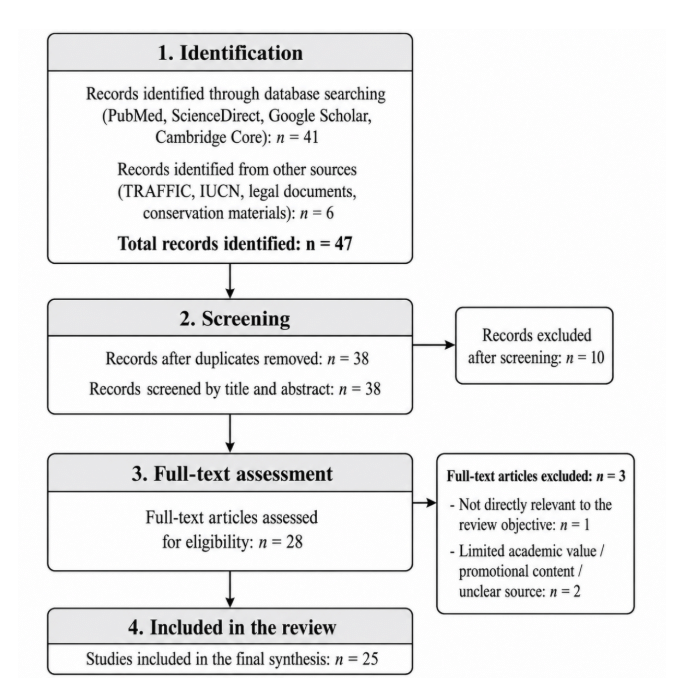
Figure 1. Flowchart of literature selection for the review study.
2.3. Data Analysis and Synthesis
The included literature was analyzed descriptively, focusing on three main approaches: substitution based on material similarity, substitution based on therapeutic function, and substitution compatible with legal, ethical, and conservation considerations. Conclusions were presented cautiously and were not extrapolated to imply complete equivalence with natural tiger bone.
- Results
3.1. Comparison of Composition and Physicochemical Properties Between Tiger Bone and Alternative Products
Existing literature indicates that tiger bone (Tigris Os) mainly consists of bone tissue mineral components such as hydroxyapatite, calcium phosphate, collagen, amino acids, and trace elements. This provides the rationale for developing biological preparations to mimic part of the compositional and functional characteristics of tiger bone, rather than utilizing natural tiger bone.
Among substitute products, Jintiange, or bionic tiger bone powder, represents a prominent preparation. This product is designed to replicate certain physicochemical features of tiger bone, particularly the proportions of minerals, amino acids, and factors related to bone metabolism. Several studies demonstrate that Jintiange can support improvements in bone mineral density, bone microarchitecture, and musculoskeletal symptoms. However, compositional similarity does not imply completely equivalent therapeutic efficacy across all clinical contexts.
Additionally, bones from certain livestock species, such as pigs or cattle, have been noted as potential alternative material sources. Nevertheless, their application requires rigorous evaluation regarding standardization, safety, antibiotic residue risks, contamination, and quality control. Therefore, substitute products should only be considered suitable when concurrently satisfying requirements for efficacy, safety, legality, and quality [2].
Table 1: General comparison of composition between tiger bone and selected alternative sources
| Criteria / Category | Natural Tiger Bone (Tigris Os) | Artificial Tiger Bone / Jintiange | Bone from Other Animals |
| Mineral Composition | Primary bone mineral is hydroxyapatite, rich in calcium and phosphorus [2, 8]. | Developed to mimic the inorganic and organic composition of tiger bone; Jintiange contains approximately 18% calcium and 8% phosphorus [8, 9]. | Basic mineral composition is similar across species, but elemental proportions vary depending on species and sample source [20, 21]. |
| Collagen and amino acids | Contains collagen, proteins, and various amino acids related to the bone matrix [2, 8]. | Contains collagen, approximately 18 amino acids, and multiple peptides; marker peptides can be identified for quality control [2, 22]. | Bone from various species serves as a source of collagen, predominantly type I collagen; properties and composition depend on species and processing procedures [23]. |
| Trace Elements | Contains Mg, Fe, Zn, Cu, Mn, and other elements; content varies across different bone anatomical sites [20]. | Components of artificial tiger bone powder, particularly characteristic peptides, can be identified and controlled using modern analytical methods; marker peptides have been used to establish quality control methods for the preparation [9, 22]. | Elemental composition ratios vary by species, bone location, diet, and living environment [21]. |
| Safety | Exploitation and trade of tiger specimens are strictly controlled; illegal sources raise issues regarding conservation, ethics, traceability, and risk of adulteration [1, 19]. | Advantages in raw material sourcing and quality control; clinical studies report relatively favorable safety data, though evidence quality remains limited [9, 22]. | Safety depends on raw material sources and processing procedures; requires monitoring for heavy metals and antibiotic residues [21, 23]. |
| Significance for substitution | Routine use should not be continued due to conservation impacts and legal barriers [3, 4]. | An alternative option backed by preclinical and clinical evidence, primarily for osteoporosis and select musculoskeletal conditions; however, it should not yet be interpreted as fully equivalent to natural tiger bone [7]–[9]. | Crude animal bones cannot automatically be considered a substitute for tiger bone; only preparations that have been processed, standardized, and individually evaluated hold applied value [20, 21]. |
From the above table, it can be seen that biomimetic substitution solutions primarily rely on the principle of replicating the composition and function of bone tissue. However, the capacity to substitute tiger bone needs to be comprehensively evaluated based on efficacy, safety, legality, patient acceptance, and applicability in modern Traditional Chinese Medicine (TCM).
3.2. Preclinical and Clinical Evidence on Biological Preparations
Biological substitutes for tiger bone have been studied primarily in osteoporosis and bone metabolic disorders, such as Jintiange. Preclinical studies indicate that this preparation can improve bone microarchitecture, bone strength, and promote osteoblast differentiation through pathways involving factors such as Runx2, Osterix, and BMP2/Smad.
Clinical evidence shows that tiger bone substitutes can improve bone mineral density and relieve pain, particularly when combined with calcium, vitamin D, or anti-osteoporotic medications [9]. However, long-term evidence regarding fracture reduction, quality of life, and safety remains limited. Most studies were conducted in China and require further validation in other study populations. Therefore, tiger bone substitute preparations like Jintiange represent a promising alternative solution in bone metabolic diseases, but cannot yet be considered fully equivalent to natural tiger bone.
Table 2: Preclinical and clinical evidence of Jintiange in musculoskeletal disorders
| Reference | Subject / Model | Study Design | Main Results | Significance for Tiger Bone Substitution Potential |
| Man et al. [9] | Osteoporotic patients synthesized from included studies | Systematic review & Meta-analysis | Synthesized outcomes regarding bone mineral density, pain symptoms, and safety; demonstrated that Jintiange has potential to improve several parameters related to osteoporosis treatment and is generally well tolerated. | Provides synthesized clinical evidence for the potential use of Jintiange in conditions involving bone loss; however, full equivalence to natural tiger bone remains unproven. |
| Ren et al. [7] | Ovariectomized (OVX) rats | Animal study | Improved several bone microarchitectural parameters and biomechanical strength in an experimental osteoporosis model. | Provides a preclinical basis for the effects of Jintiange on bone structure and quality. |
| Shen et al. [8] | Ovariectomized mice and cell models related to osteogenesis/osteoclastogenesis | Animal study + In vitro study | Attenuated ovariectomy-induced bone loss and regulated osteogenesis and bone resorption in experimental models. | Adds mechanistic and preclinical evidence supporting the effect of Jintiange on bone metabolism. |
Remarks: Current evidence shows that Jintiange has been studied at both preclinical and clinical levels. However, most available clinical evidence is synthesized from studies on osteoporosis and intermediate outcomes such as bone mineral density or pain symptoms. Data regarding fracture reduction, long-term efficacy, and safety during extended use remain limited.
Overall, biological preparations or Jintiange represent an alternative solution with a relatively clearer level of evidence compared to many single herbal medicines, particularly in the field of osteoporosis. Nevertheless, existing evidence still needs to be interpreted within the limitations of individual studies, especially regarding sample size, follow-up duration, evaluation criteria, and representativeness of study populations.
3.3. Botanical Medicinal Materials and Non-Pharmacological Methods as Functional Alternatives
In addition to biological substitute products, several botanical medicinal materials can be considered alternative choices based on therapeutic function, particularly in musculoskeletal disorders, osteoporosis, and wind-cold-damp arthralgia syndrome according to Traditional Chinese Medicine (TCM). Unlike substitution models based on compositional similarity, the group of herbs with actions to “Tonify the Liver and Kidney, strengthen sinews and bones” holds substitute value by targeting corresponding pathogenesis mechanisms and therapeutic goals.
Table 3: Potential herbal remedies and alternative non-pharmacological methods
| Herb | TCM Characteristics and Actions | Ref. | Level of Evidence | Modern Supported Evidence | Significance for Tiger Bone Substitution |
| Dipsaci Radix | Bitter, sweet, acrid; slightly warm; enters Liver and Kidney meridians. Tonifies Liver and Kidney, strengthens sinews and bones, reconnects sinews and bones, relieves pain. | [16] | Animal study | Studies on monosodium iodoacetate-induced osteoarthritis rat models provide preclinical evidence for the effects of Dipsacus asperoides in joint disorders. | Can be considered based on functional similarity in TCM for painful conditions and weakness of sinews and bones; lacks direct evidence proving substitution for tiger bone. |
| Eucommiae Cortex | Sweet, warm; enters Liver and Kidney meridians. Tonifies Liver and Kidney, strengthens sinews and bones. | [17] | In vivo + In vitro | Total lignans from Eucommia ulmoides exhibit bone loss mitigation effects in in vivo and in vitro models. | Provides a preclinical rationale for supporting bone metabolism; potential substitution for tiger bone is currently proposed mainly based on functional alignment. |
| Drynariae Rhizoma | Bitter, warm; enters Kidney and Liver meridians. Tonifies Kidney, strengthens bone, invigorates blood, relieves pain. | [18] | Animal study | Polysaccharides from Drynaria fortunei show osteoprotective effects against osteoporosis in ovariectomized mouse models. | Possesses a preclinical basis related to bone protection, aligning with functional substitution via Kidney-tonifying and bone-strengthening actions; no direct comparative studies with tiger bone exist. |
| Taxilli Herba | Bitter, sweet; neutral; enters Liver and Kidney meridians. Tonifies Liver and Kidney, strengthens sinews and bones, dispels wind-dampness. | [14] | Comprehensive review | Review literature on traditional usage, chemical composition, pharmacological actions, and toxicity of Taxillus chinensis. | Provides a theoretical and pharmacological foundation for consideration based on therapeutic function, though the level of evidence should not be over-extrapolated. |
| Achyranthis Bidentatae Radix | Bitter, sour; neutral; enters Liver and Kidney meridians. Invigorates blood, unblocks meridians, tonifies Liver and Kidney, strengthens sinews and bones. | [15] | Comprehensive review | Contains saponins, polysaccharides, and ecdysterone. Exhibits anti-inflammatory effects, regulates bone metabolism, and supports motor function improvement in experimental models. | Can be combined in formulas for lower back and knee pain, joint pain, weakness of sinews and bones, and conditions of blood stasis and meridian obstruction. |
Note: “Substitutability” in the table is understood as substitution based on therapeutic functions, grounded in the similarity of therapeutic goals in Traditional Medicine (TM) and relevant pharmacological evidence; it does not imply that these herbs have been proven equivalent to or direct replacements for tiger bone in comparative studies.
In addition to individual medicinal herbs, classic formulas or modified prescriptions aimed at nourishing the Liver and Kidneys, expelling Wind and Dampness, and unblocking the Meridians and Collateral Vessels can also substitute for tiger bone in terms of therapeutic function in clinical cases of knee and back pain, rheumatic bi-syndrome, osteoarthritis, or weakness of tendons and bones. Selection must be based on pattern differentiation and treatment principles, pattern classification, age, comorbidities, and the risk of drug interactions.
Non-pharmacological methods such as acupuncture, acupressure massage, moxibustion, exercise therapy, rehabilitation, and lifestyle modification also contribute to pain relief, mobility improvement, and enhancing the quality of life, while reducing dependency on wild animal products in modern TVM.
- Discussion
4.1. Significance of Tiger Bone Substitution in Modern Traditional Medicine Practice
The synthesis of the available evidence indicates that the substitution of tiger bone in modern traditional medicine practice should be approached as a multidimensional transition, rather than simply as a search for a medicinal herb or preparation with a composition similar to tiger bone. Historically, tiger bone has been used based on the traditional therapeutic principles of dispelling wind, eliminating dampness, relieving pain, and strengthening the sinews and bones [19]. However, in the current context, the continued use of natural tiger bone is no longer compatible with legal requirements, biodiversity conservation, and professional ethics, particularly given that the trade in tiger products has been identified as one of the factors contributing to pressure on wild tiger populations [5], [12], [19]. Therefore, the focus of modern traditional medicine practice should not be on maintaining the use of an illegal and unsustainable medicinal resource, but rather on identifying alternatives that can address corresponding therapeutic objectives in a safe, legal, sustainable, and evidence-based manner.
Based on the available evidence, at least three approaches to tiger bone substitution can be distinguished. The first is substitution based on material similarity, exemplified by traditional medicinal substances and biological preparations such as Jintiange, which were developed to mimic certain physicochemical and biological characteristics of bone tissue [2], [6], [7], [9]. The second is functional substitution, which includes medicinal plants and herbal formulas with actions such as tonifying the liver and kidneys, strengthening the sinews and bones, dispelling wind and eliminating dampness, promoting blood circulation, and relieving pain. The concept of functional substitution has also attracted attention in the field of conservation, with an emphasis on replacing wildlife-derived products with legal and sustainable alternatives that can fulfill corresponding functions or intended uses. The third is substitution through a multimodal treatment model, in which herbal medicines are combined with acupuncture, massage/acupressure, exercise, and rehabilitation to control symptoms and improve motor function. This classification helps avoid the simplistic assumption that a single medicinal substance must completely replace tiger bone for all therapeutic indications.
From an academic perspective, the substitution of tiger bone does not diminish the value of traditional medicine; rather, it demonstrates the capacity of traditional medicine to adapt to the changing requirements of modern society. Throughout its development, traditional medicine has maintained a tradition of modifying prescriptions, substituting medicinal substances, and adjusting treatment according to specific circumstances. Therefore, abandoning natural tiger bone and shifting toward legal and sustainable alternatives can be regarded as a logical continuation of the principles of pattern differentiation and individualized treatment, while also being consistent with the growing emphasis on evidence-based medicine, biodiversity conservation, and minimizing the negative impacts of wildlife use in traditional medicine [1].
4.2. Value and limitations of the biological product Jintiange
Among current alternative solutions, Jintiange is a preparation that has been studied relatively more clearly compared to many other options. Preclinical studies show that this product can affect a number of indices related to bone metabolism, including bone mineral density, bone microarchitecture, biomechanical strength, and osteoblast activity [7]. Some mechanistic data also suggest that Jintiange may be involved in regulating factors related to osteogenic differentiation and osteogenic signaling pathways, including BMP2/Smad [7]. These results provide a biological basis for considering Jintiange as a biomimetic alternative in bone loss-related pathologies.
At the clinical level, current studies and meta-analyses show that Jintiange can improve certain outcomes such as bone mineral density, pain, and musculoskeletal symptoms in some patient groups. A study by Li et al. recorded the role of bionic tiger bone powder in treating musculoskeletal symptoms related to aromatase inhibitors [2]. In addition, meta-analyses of Jintiange in osteoporosis treatment show that this preparation can improve bone mineral density and several relevant clinical parameters [2], [9]. However, these data should be interpreted with caution. The majority of current studies focus on intermediate parameters or short-term outcomes, whereas criteria of higher clinical significance—such as reduced fracture risk, improved quality of life, long-term safety, and efficacy across different patient sub-populations—remain limited.
Another important point is that there is currently insufficient direct comparative evidence between Jintiange and natural tiger bone in clinical practice. Therefore, Jintiange has potential as a biomimetic alternative in certain clinical contexts related to bone metabolism, especially when used according to clear indications, quality control, and compliance with pharmaceutical regulatory standards [2], [6], [7], [9]. This viewpoint both accurately reflects the level of currently available evidence and avoids indirectly legitimizing the belief that natural tiger bone is an irreplaceable standard.
4.3. Role of herbal medicines in therapeutic equivalence substitution
Herbal medicines play an important role in replacing tiger bone based on the therapeutic efficacy of Traditional Chinese/Vietnamese Medicine (TCM/TVM). Since tiger bone is usually classified in the group of medicines that dispel wind-dampness, strengthen tendons and bones, and relieve pain [19], herbs with the actions of tonifying the liver and kidney, strengthening tendons and bones, dispelling wind-dampness, invigorating blood, unblocking collaterals, and relieving pain can be considered suitable alternative options.
Therapeutic equivalence substitution is an approach in which a medicinal herb or product is selected to substitute a traditional raw material based on equivalent therapeutic efficacy, rather than having to share the exact same origin or composition as the original material. For tiger bone, this approach allows for finding herbs and preparations with similar effects, such as Drynaria fortunei (Cốt toái bổ), Dipsacus japonicus (Tục đoạn), Eucommia ulmoides (Đỗ trọng), and biological substitutes for tiger bone. These options are suitable for clinical conditions such as low back and knee pain, weak tendons and bones, osteoarthritis, osteoporosis, or wind-dampness bi-syndrome accompanied by Liver and Kidney deficiency. Modern research also notes that many herbs in this group exhibit anti-inflammatory, antioxidant, cartilage-protective, bone metabolism-regulating, osteogenesis-promoting, or bone damage recovery-supporting properties.
In addition to single herbs, several classical formulas with the functions of tonifying the liver and kidney, strengthening tendons and bones, dispelling wind-dampness, and unblocking meridians/collaterals—such as Du Huo Ji Sheng Tang or similar modified remedies—can be considered in treating clinical conditions where tiger bone was previously used. However, there is currently a lack of sufficient direct research evaluating these formulas specifically as tiger bone substitutes. Therefore, their applicability should primarily be understood in terms of equivalence in therapeutic functions and principles of pattern differentiation-based treatment, rather than equivalence proven through direct comparative studies.
4.4. Socio-cultural barriers and consumer behavior in Vietnam
In Vietnam, tiger bone paste is not only regarded as a product used to support the treatment of musculoskeletal pain, but is also associated with symbols of strength, rarity, social status, and gift-giving value [11]. This phenomenon can be interpreted through the concepts of status consumption and symbolic consumption, whereby the selection and use of a product is intended not only to meet functional needs but also to express status, prestige, scarcity, or social value. In the case of tiger bone paste, its use may arise not only from beliefs regarding its medicinal value but also from its symbolic value, given the rarity of tigers and the high value of tiger-derived products. This symbolic dimension may allow consumer demand to persist even when safer and legal alternatives are available.
This indicates that tiger bone substitution cannot rely solely on pharmacological evidence, but should also incorporate professional counseling, behavior-change communication, legal education, and efforts to reshape public perceptions [11]. In this context, traditional medicine practitioners play an important role in explaining the efficacy, safety, legality, and conservation significance of alternative options.
In addition, the existence of counterfeit, adulterated, or products of unknown origin poses potential safety risks. Authentication techniques such as PCR can help determine the species origin of tiger-related products [7], highlighting three key messages that should be emphasized in communication about tiger bone substitution: illegality, unsustainability, and lack of safety assurance.
4.5. Ethical Issues and the Adaptation of Traditional Medicine in the Context of Conservation
The use of tiger bone and research on alternative products should be considered from the perspectives of conservation ethics, professional ethics, and social ethics. From a conservation perspective, the use of tiger bone obtained through illegal exploitation, hunting, or trade should be avoided, while the development of alternative products should be encouraged to reduce demand for tiger-derived products and contribute to biodiversity conservation. From a professional ethics perspective, traditional medicine practitioners should comply with relevant laws and regulations and ensure the legality, safety, quality, and efficacy of the ingredients and preparations used; they should also provide patients with truthful information based on scientific evidence. From a social ethics perspective, tiger bone substitution should balance healthcare needs, patients’ interests, and responsibility for wildlife protection, while avoiding exaggerated advertising or unsupported claims regarding the efficacy of tiger bone or its alternatives.
From the perspective of professional ethics, the continued use of or encouragement to use natural tiger bone in modern medicine is inappropriate, because demand for tiger bone and tiger-derived products may contribute to sustaining illegal markets and increase pressure on conservation efforts [1], [4].
However, eliminating tiger bone does not mean rejecting the value of traditional medicine; rather, it demonstrates the ability of traditional medicine to adapt to new requirements concerning law, ethics, and conservation. Replacing tiger bone with legal, safe, and sustainable alternatives is consistent with the broader trend of reassessing the use of wildlife in traditional medicine [12].
This transition is also consistent with the principle of patient-centered care, which prioritizes therapeutic effectiveness, safety, affordability, transparent sourcing, and ecological responsibility. Therefore, topics related to wildlife conservation, regulations governing animal-derived medicinal materials, and alternative options should be integrated into modern traditional medicine education.
4.6. Limitations of the Review and Directions for Future Research
As this article is a narrative review, it did not apply a standardized evidence-grading system such as GRADE and did not formally assess the risk of bias. The evidence regarding tiger bone substitution strategies remains heterogeneous. Jintiange has a relatively larger body of evidence in osteoporosis and bone metabolism, whereas evidence for plant-based medicinal substances is based primarily on traditional medicine theory and experimental studies, with a lack of high-quality clinical research. Studies investigating consumer behavior related to tiger bone paste in Vietnam also remain limited.
- Recommendations for Traditional Medicine Practice
Based on the available analyses and evidence, several practical directions may be considered for traditional medicine practitioners and healthcare institutions as follows:
- Plant-derived medicinal substances and herbal formulas may be considered as alternatives to tiger bone based on the principle of functional similarity within traditional medicine. A study on plant-based alternatives identified numerous medicinal substances with functions relevant to indications traditionally associated with tiger bone, including support for the treatment of joint and rheumatic disorders, pain relief, support for the healing of injuries and fractures, relief of lower back and knee pain, as well as dispelling wind and eliminating dampness. Notably, Duhuo Jisheng Decoction is one of the traditional formulas that may be considered as an alternative according to therapeutic function; the medicinal substances included in the formula have been investigated for their potential anti-inflammatory effects. These findings support continued research and development of herbal alternatives to tiger bone to reduce reliance on products derived from wild animals [6].
- Strengthen patient education and counseling: Practitioners can proactively explain to patients the available evidence regarding the efficacy of alternative approaches, while also providing information about the potential risks associated with animal-derived products of unknown origin, such as possible exposure to heavy metals and preservatives, as well as issues related to biodiversity conservation [9].
- Promote a multimodal treatment approach: Combining herbal medicines with non-pharmacological approaches, such as acupuncture, massage and acupressure, and physical therapy, may be an appropriate strategy that can contribute to pain relief and functional improvement in musculoskeletal disorders. Current meta-analyses and clinical guidelines also emphasize the roles of acupuncture, exercise, and rehabilitation in the management of chronic pain and osteoarthritis [8].
- Emphasize legality and traceability of medicinal materials: Traditional medicine institutions should ensure compliance with current legal regulations and relevant international conventions concerning wildlife conservation, while strengthening transparency regarding the sources and traceability of medicinal materials used in clinical practice [4], [10], [11].
- Integrate wildlife conservation, relevant legislation, and the use of sustainable alternative medicinal materials into traditional medicine education: Training institutions should incorporate these topics into traditional medicine curricula. This would help students develop greater awareness of professional responsibility, biodiversity conservation, and the selection of safe, legal, and scientifically supported medicinal substances and preparations as alternatives to products derived from endangered wildlife, such as tiger bone.
- Conclusion
Synthesis of evidence shows that the use of tiger bone in traditional medicine practice currently faces many legal, conservation, and safety barriers. Alternative solutions such as biological preparations, herbal medicine, and non-pharmacological treatment methods have recorded initial positive results in supporting the treatment of musculoskeletal disorders. Therefore, orienting toward the use of legal alternatives based on therapeutic efficacy and scientific evidence can be considered an appropriate approach in the current context.REFERENCES
- Still J. Use of animal products in traditional Chinese medicine: environmental impact and health hazards. Complementary therapies in medicine. 2003;11(2):118-22.
- Li Y, Zhang Z, Cui F, Liu J, Wang Y, Jiang J, et al. Traditional Chinese Medicine Bionic Tiger Bone Powder for the Treatment of AI-Associated Musculoskeletal Symptoms. Evidence-based complementary and alternative medicine : eCAM. 2017;2017:2478565.
- Cao Z, Li Y, Zafar SU, Wang Y, Nie C. An integrated historical study on human-tiger interactions in China. Integrative Conservation. 2024;3:183-195. Available from: https://doi.org/10.1002/inc3.56
- Chính phủ Việt Nam. Nghị định số 06/2019/NĐ-CP về quản lý thực vật rừng, động vật rừng nguy cấp, quý, hiếm và thực thi CITES; được sửa đổi, bổ sung bởi Nghị định số 84/2021/NĐ-CP.
- Gratwicke B, Mills J, Dutton A, Gabriel G, Long B, Seidensticker J, et al. Attitudes toward consumption and conservation of tigers in China. PloS one. 2008;3(7):e2544.
- Plant substances as alternatives for animal products in traditional medicines [Internet]. Wildlife Protection in TCM. 2006 Jan 2 [cited 2026 Aug 10]. Available from: https://www.wildlifeprotectionintcm.com/plant-substances-as-alternatives-for-animal-products-in-traditional-medicines/
- Ren S, Jiao G, Zhang L, You Y, Chen Y. Bionic Tiger-Bone Powder Improves Bone Microstructure and Bone Biomechanical Strength of Ovariectomized Rats. Orthopaedic surgery. 2021;13(3):1111-8.
- Shen Y, Wang N, Zhang Q, Liu Y, Wu Q, He Y, et al. Jin-Tian-Ge ameliorates ovariectomy-induced bone loss in rats and modulates osteoblastogenesis and osteoclastogenesis in vitro. Chin Med. 2022 Oct 5;17(1):78.
- Man Y, Na J, Wang H, Lan F, Yu L. Efficacy and safety of Jintiange in the treatment of osteoporosis: a systematic review and meta-analysis. Frontiers in pharmacology. 2025;16:1592184.
- Fu Y, Wang W, Zhao M, Zhao J, Tan M. Efficacy of the Chinese herbal medicine Jintiange capsules in the postoperative treatment of osteoporotic vertebral compression fractures: a systematic review and meta-analysis. Frontiers in medicine. 2023;10:1289818.
- Davis EO, Willemsen M, Dang V, O’Connor D, Glikman JAJGE, Conservation. An updated analysis of the consumption of tiger products in urban Vietnam. 2020;22:e00960.
- Zhao YR, Wei X, Jiang JJ, Zhang YL, Wang SQ, Xie YM. [Systemic review of Jintiange Capsules in treatment of postmenopausal osteoporosis]. Zhongguo Zhong yao za zhi = Zhongguo zhongyao zazhi = China journal of Chinese materia medica. 2019;44(1):186-92.
- Ng J, Nemora. Tiger trade revisited in Sumatra, Indonesia [Internet]. Petaling Jaya: TRAFFIC Southeast Asia; 2008 Feb [cited 2026 Aug 10]. Available from: https://www.traffic.org/site/assets/files/3342/tiger-trade-revisited-sumatra.pdf
- Qin M, Huang Q, Yang X, Yu L, Tang Y, Zhang C, et al. Taxillus chinensis (DC.) Danser: a comprehensive review on botany, traditional uses, phytochemistry, pharmacology, and toxicology. Chinese medicine. 2022;17(1):136.
- Chen YR, Niu YS, Zhou HL. Achyranthes bidentata Blume (Amaranthaceae): a review of its botany, traditional uses, phytochemistry, pharmacology, and toxicology. The Journal of pharmacy and pharmacology. 2024;76(8):930-66.
- Chun JM, Lee AY, Nam JY, Lim KS, Choe MS, Lee MY, et al. Effects of Dipsacus asperoides extract on monosodium iodoacetate-induced osteoarthritis in rats based on gene expression profiling. Front Pharmacol. 2021 Apr 13;12:615157. doi: 10.3389/fphar.2021.615157.
- Zhang R, Pan YL, Hu SJ, Kong XH, Juan W, Mei QB. Effects of total lignans from Eucommia ulmoides barks prevent bone loss in vivo and in vitro. J Ethnopharmacol. 2014 Aug 8;155(1):104-112.
- Sun X, Wei B, Peng Z, Chen X, Fu Q, Wang C, et al. A polysaccharide from the dried rhizome of Drynaria fortunei (Kunze) J. Sm. prevents ovariectomized (OVX)-induced osteoporosis in rats. J Cell Mol Med. 2020 Mar;24(6):3692-3700.
- Mills JA, Jackson P. Killed for a cure: a review of the worldwide trade in tiger bone [Internet]. Cambridge: TRAFFIC International; 1994 [cited 2026 Aug 8]. Available from: https://www.traffic.org/site/assets/files/9563/killed-for-a-cure.pdf
- Suo Y, Zhang B, Wang H. Comparison on mineral elements in bone of Sailong and tiger. Zhong Cao Yao. 2004;(4):445–448.
- Buddhachat K, Klinhom S, Siengdee P, et al. Elemental analysis of bone, teeth, horn and antler in different animal species using non-invasive handheld X-ray fluorescence. PLoS One. 2016;11(5):e0155458. doi:10.1371/journal.pone.0155458
- Hu S, Xu J, Tang L, et al. The quality control markers study of artificial tiger bone powder based on peptidomic by NanoLC-HRMS and UHPLC-QQQ-MS. J Sep Sci. 2025;48(7):e70208. doi:10.1002/jssc.70208
- Yang X, Rozi P, Chen Y, et al. Recent advances in the production, structural characterization, and biological activities of animal bone collagen. Food Sci Anim Prod. 2025;3(4):9240139. doi:10.26599/FSAP.2025.9240139
- Gajda A, Szymanek-Bany I, Nowacka-Kozak E, Gbylik-Sikorska M. Investigation of doxycycline residues in bones after oral administration to broiler chickens. J Vet Res. 2024;68(2):255–261. doi:10.2478/jvetres-2024-0030
- Venkatesan J, Anchan RV, Murugan SS, Anil S, Kim SK. Natural hydroxyapatite-based nanobiocomposites and their biomaterials-to-cell interaction for bone tissue engineering. Discover Nano. 2024;19:169. doi:10.1186/s11671-024-04119-0
