

SUBSTITUTES FOR BEAR BILE IN THE TREATMENT OF LIVER DISEASES:
A NARRATIVE REVIEW OF UDCA, TUDCA, AND TRADITIONAL MEDICINAL HERBS
Quoc Anh Le, MD, MSc
Faculty of Traditional Medicine, Hue University of Medicine and Pharmacy, Hue University
ABSTRACT
Background: Bear bile has long been used in Traditional Medicine for the treatment of hepatobiliary disorders due to its anti-inflammatory, hepatoprotective, and bile acid-regulating properties. However, the current exploitation of bear bile raises major concerns regarding wildlife conservation, animal welfare, and medical ethics, thereby promoting the search for safer, more effective, and sustainable alternatives.
Objective: To summarize and evaluate the current scientific evidence regarding the efficacy, mechanisms of action, and therapeutic potential of bear bile substitutes in the treatment of liver diseases.
Methods: This narrative review searched the literature in PubMed, Scopus, Web of Science, Cochrane Library, and China National Knowledge Infrastructure (CNKI) databases from 1990 to 2025. Eligible studies included randomized controlled trials (RCTs), systematic reviews, meta-analyses, in vitro studies, and in vivo studies related to bear bile, ursodeoxycholic acid (UDCA), tauroursodeoxycholic acid (TUDCA), and medicinal herbs with potential as bear bile substitutes.
Results: UDCA and TUDCA represent the most evidence-based substitutes for bear bile, demonstrating hepatoprotective, anti-inflammatory, anti-apoptotic, and bile acid-regulating effects in conditions such as nonalcoholic fatty liver disease (NAFLD), nonalcoholic steatohepatitis (NASH), and liver cirrhosis. Several studies suggest that TUDCA may exhibit superior potential in improving liver function, reducing endoplasmic reticulum stress, and attenuating hepatocellular injury. In addition, traditional medicinal herbs including Gardenia jasminoides, Scutellaria baicalensis, Coptis chinensis, Phellodendron amurense, Andrographis paniculata, and Rheum palmatum possess pharmacological and traditional medicine characteristics comparable to bear bile, particularly regarding anti-inflammatory and hepatoprotective activities.
Conclusion: Current evidence suggests that UDCA, TUDCA, and several traditional medicinal herbs have considerable potential as substitutes for bear bile in the treatment of liver diseases. These alternatives may not only enhance sustainability and ethical standards in medical practice but also provide safer and more biodiversity-friendly therapeutic approaches.
Keywords: bear bile substitute; UDCA; TUDCA; liver disease; medicinal herbs; integrative medicine.
- INTRODUCTION
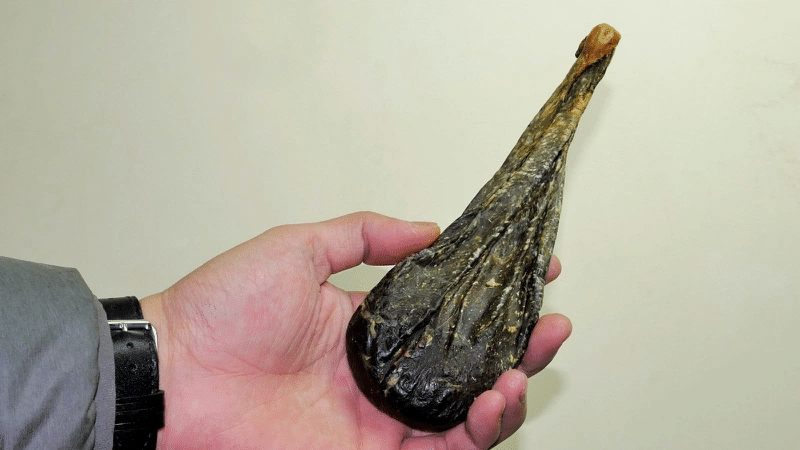
Bear bile is the dried gallbladder bile obtained from members of the Ursidae family, primarily Ursus thibetanus (Asian black bear) and Ursus arctos (brown bear). Bear bile has long played an important role in Traditional Medicine across many Asian countries, including Vietnam, particularly in the treatment of hepatobiliary disorders. According to Traditional Medicine theory, bear bile possesses a bitter taste and cold nature and enters the Liver, Heart, Lung, and Bladder meridians, with functions including heat-clearing, detoxification, liver fire reduction, and elimination of internal wind [1].
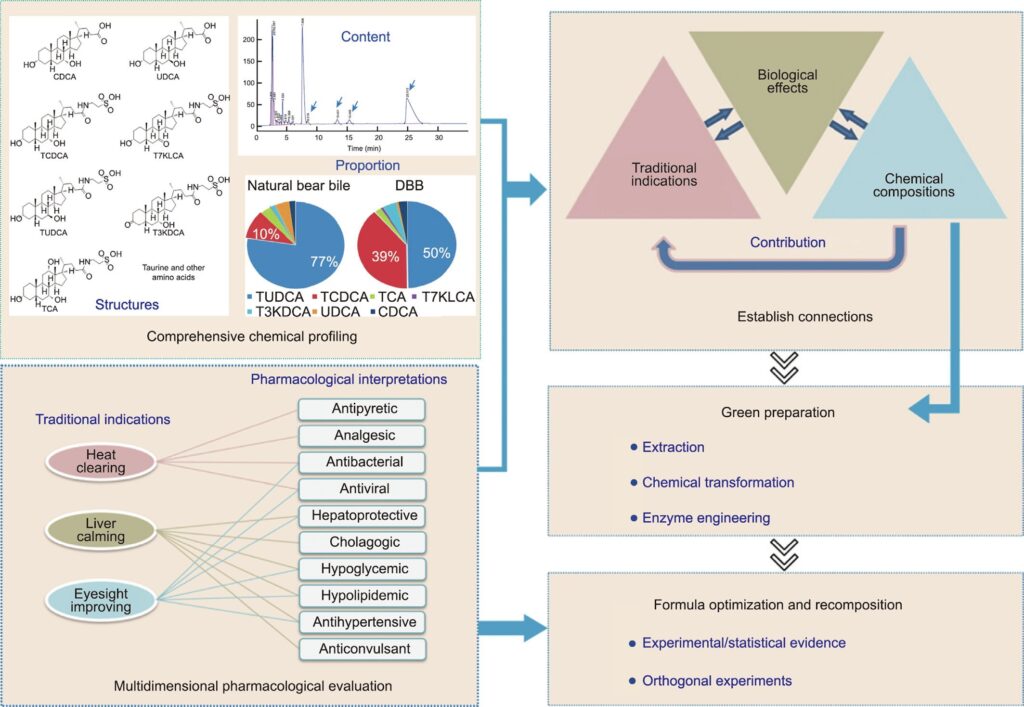
Over recent decades, modern pharmacological studies have demonstrated that bear bile exhibits multiple biological activities, including hepatoprotective, antibacterial, antiviral, anti-inflammatory, cholelithiasis-preventive, and lipid-regulating effects [2], [3]. Modern analyses have shown that bear bile contains bile acids, phospholipids, cholesterol, bile pigments, proteins, and inorganic salts. Among these, bile acids are considered the principal active components responsible for its therapeutic effects. Bile acids are synthesized from cholesterol in the liver and stored in the gallbladder. In bear bile, the major bile acids mainly exist in taurine-conjugated forms, including taurocholic acid (TCA), tauroursodeoxycholic acid (TUDCA), and taurochenodeoxycholic acid (TCDCA) [4]. Clinically, bear bile was historically used to support the treatment of various liver diseases, including cirrhosis and cholestatic liver disorders [1], [5].
However, the extraction and use of bear bile have become highly controversial due to concerns related to wildlife conservation, the risk of bear extinction, and ethical issues associated with bile farming and extraction. The Convention on International Trade in Endangered Species of Wild Fauna and Flora (CITES) has expressed concern regarding the long-term survival of these species and the need to promote more sustainable practices in Traditional Medicine [6]. Consequently, increasing attention has been directed toward developing alternative therapies with comparable efficacy but greater safety and sustainability, including synthetic compounds, medicinal herbs, and non-animal-based therapeutic approaches.
In Traditional Medicine, bile derived from domesticated animals such as cattle, chickens, and pigs has also been used as a substitute for bear bile. Recent studies have further evaluated medicinal herbs considered potential alternatives to bear bile based on traditional medicine theory and pharmacological evidence, including Gardenia jasminoides, Scutellaria baicalensis, Coptis chinensis, Phellodendron amurense, Andrographis paniculata, and Rheum palmatum [7], [8], [9]. The available evidence suggests that several alternative approaches may address many of the traditional indications for bear bile and could be considered as potential options in clinical practice.
This review aims to describe and evaluate scientific evidence regarding the therapeutic effects of bear bile and its potential substitutes in liver diseases, including synthetic bile acid compounds and medicinal herbs.
- METHODS
2.1. Study Design
This study was conducted as a narrative review to synthesize and analyze current scientific evidence regarding bear bile and potential substitutes for the treatment of liver diseases, including synthetic compounds and traditional medicinal herbs.
2.2. Data Sources and Search Strategy
Literature searches were conducted using international and regional scientific databases, including PubMed, Scopus, Web of Science, Cochrane Library, and China National Knowledge Infrastructure (CNKI). The search period ranged from January 1990 to March 2025.
Search terms were used individually or in combination to maximize retrieval of relevant studies. The search strategy included keywords related to bear bile, bile acid substitutes, liver diseases, and traditional medicinal herbs. Major keywords included: “bear bile”, “UDCA”, “TUDCA”, “artificial bear bile”, “liver disease”, “NAFLD”, “NASH”, “traditional Chinese medicine”, “medicinal herbs”, as well as herbs with potential as bear bile substitutes, including Scutellaria baicalensis, Coptis chinensis, Phellodendron amurense, Gardenia jasminoides, Andrographis paniculata, and Rheum palmatum.
In addition, the reference lists of relevant articles were manually screened to identify potentially eligible studies not retrieved through electronic database searches.
2.3. Eligibility Criteria
Studies were included if they met one or more of the following criteria:
– Studies evaluating the effects of bear bile, UDCA, TUDCA, or medicinal herbs with potential as bear bile substitutes in hepatobiliary diseases;
– In vitro studies, in vivo studies, randomized controlled trials (RCTs), observational studies, systematic reviews, or meta-analyses;
– Studies published in English or Chinese with accessible full texts or detailed abstracts;
– Studies reporting mechanisms of action, therapeutic efficacy, safety, or clinical potential of bear bile substitutes.
Studies unrelated to liver diseases, editorials, letters to the editor, or studies lacking clear scientific evidence were excluded.
2.4. Data Extraction and Synthesis
Eligible studies were selected through screening of titles, abstracts, and full texts. Extracted information included author names, publication year, study design, study population, type of bear bile substitute, mechanisms of action, and major findings related to hepatoprotective, anti-inflammatory, antifibrotic, or bile acid-regulating effects.
The extracted data were subsequently synthesized into three major thematic categories: (1) pharmacological characteristics of bear bile; (2) direct synthetic substitutes including UDCA and TUDCA; and (3) traditional medicinal herbs possessing characteristics comparable to bear bile according to Traditional Medicine theory and modern pharmacological evidence. Artificial intelligence (AI) tools were used to support supplementary literature searching, reference management, and academic language editing. The author was solely responsible for literature selection, evidence appraisal, data synthesis, interpretation of the evidence, and formulation of the conclusions.
- RESULTS
3.1. Bear bile: Traditional uses and pharmacological properties
Dried bear bile or dried bear gallbladder (Fel Ursi) has traditionally been used to treat gallstones, cholestatic liver disease, fever with convulsions, pharyngitis, conjunctivitis, trauma, swelling, sprains, fractures, hemorrhoids, and cardiovascular diseases. Bear bile may be prescribed alone or combined with medicinal herbs. The pathogenesis of many diseases treated with bear bile involves inflammatory processes, and its anti-inflammatory effects have been demonstrated in children with recurrent parotitis as well as in animal models [10], [11].
Table 3.1. Evidence on the pharmacological effects of bear bile and animal-derived bile in liver diseases and inflammatory conditions
| Author (Year) | Study Design | Model/Subjects | Intervention | Main Findings | Significance |
| Ruan et al. (2013) [10] | Randomized controlled clinical | Children with recurrent parotitis | Bear bile combined with Radix Astragali | Group A: massage + vitamin C supplementation. Group B: bear bile (0.05 g) + Radix Astragali. Group C: combination of A and B. Comparison of recurrence rates showed: Group A vs. B: P = 0.001 (Group B more effective); Group A vs. C: P = 0.003 (Group C more effective); Group B vs. C: P = 0.701 (no significant difference). Both bear bile groups markedly reduced recurrence of parotitis. | Demonstrated clinical anti-inflammatory effects |
| Li et al. (1995) [11] | In vivo | Experimental mice | Pig bile and artificial bear bile | Both bear bile and pig bile exhibited anti-inflammatory, anticonvulsant, and analgesic effects and prolonged the survival time of mice under hypoxic conditions, with generally comparable pharmacological effects. | Suggested that pig bile could potentially substitute for bear bile in certain pharmacological applications; however, the available evidence remains limited to preclinical studies. |
| Watanabe and Tsuneyama (2012) [12] | In vivo | Mice with liver injury | Bear bile, cattle bile, and cholic acid | After supplementation with 1% bile acid in the diet for 4 weeks: cattle bile and cholic acid (but not bear bile) caused lipid abnormalities and fatty liver injury (P < 0.001) due to the hydrophobic nature of cholic acid. Cattle bile induced more severe hepatic steatosis than bear bile. | Demonstrated biological differences among bile sources |
| Wang et al. (2012) [13] | In vivo | CCl₄-induced liver fibrosis mice | Bear bile and Coptis chinensis | Reduced serum AST levels compared with untreated controls: aqueous extract of Coptis chinensis (600 mg/kg; P < 0.01); berberine (120 mg/kg; active constituent of Coptis chinensis; P < 0.05); bear bile (200 mg/kg; P < 0.05). Both interventions reduced AST levels and improved liver fibrosis. | Suggested Coptis chinensis as a potential substitute for bear bile |
The major components of bear bile, particularly TCDCA and TCA, have been shown to facilitate lipid digestion through stimulation of pancreatic lipase activity [14]. Bear bile at a dose of 200 mg/kg significantly reduced serum AST levels in rats with carbon tetrachloride (CCl4)-induced liver fibrosis compared with untreated controls. Although AST elevation is not specific to liver injury, histological findings confirmed the antifibrotic effects of bear bile [13]. These hepatoprotective and anti-inflammatory activities are believed to be associated with its characteristic bile acid composition, which has motivated further investigation into bile acid substitutes derived from other animal species.
Most studies on bear bile to date have been experimental or small-scale clinical studies; therefore, the level of evidence for individual indications should be interpreted with caution.
3.2. Bear bile substitutes
3.2.1. Synthetic compounds
In recent years, increasing concerns regarding wildlife conservation, animal welfare, and the ethics of bear bile extraction have accelerated research into safer and more sustainable alternatives with comparable therapeutic efficacy. Among the chemical constituents of bear bile, bile acids are considered the most important bioactive components. In particular, UDCA and TUDCA have attracted significant scientific attention. UDCA is a hydrophilic bile acid that differs from conventional bile acids and has been clinically used since the 1950s [15]. Multiple clinical studies have confirmed the efficacy of UDCA in cholestatic liver diseases, primary biliary cirrhosis, primary sclerosing cholangitis, and drug-induced liver injury [16], [17]. Importantly, UDCA has been approved by the United States Food and Drug Administration (FDA) for the treatment of primary biliary cirrhosis. Its broad hepatoprotective effects make UDCA one of the most promising alternatives to bear bile. Current synthetic technologies are also capable of meeting the increasing medical demand for UDCA.
TUDCA, a taurine-conjugated hydrophilic bile acid naturally present in bear bile, can also be synthesized endogenously through immunomodulatory pathways [18], [19]. Beyond its therapeutic effects in cholestatic liver diseases, TUDCA has demonstrated hepatoprotective efficacy in liver injury and ischemia–reperfusion injury models. TUDCA inhibits apoptosis in both hepatic and extrahepatic cells and modulates multiple pathways associated with cellular stress responses. These effects are related to mitochondrial protection, maintenance of membrane integrity, and interactions with the NF-κB signaling pathway. Synthetic TUDCA is currently produced and marketed as a nutritional supplement [20], [21], [22]. Although TUDCA represents only one component of natural bear bile, it may substitute for bear bile in various therapeutic contexts. Notably, Shijing et al. (2024) developed an immobilized dual-enzyme system capable of synthesizing TUDCA from chicken bile powder as a potential artificial bear bile substitute. Their study demonstrated that the 7α-HSDH and 7β-HSDH enzyme system efficiently converted chenodeoxycholic acid (CDCA) into TUDCA under controlled conditions, thereby opening new possibilities for the industrial-scale production of sustainable and standardized bear bile substitutes [23].
Table 3.2. Current evidence on UDCA and TUDCA as direct substitutes for bear bile in liver diseases
| Author (Year) | Study Design | Model/Subjects | Intervention | Main Findings | Significance |
| Patel et al. (2024) [24] | Systematic review and meta-analysis | Patients with NAFLD | UDCA | Ursodeoxycholic acid demonstrated potential benefits in the treatment of NAFLD by reducing AST, ALT, and GGT levels. These findings suggest that the hepatoprotective effects of UDCA may help prevent complications associated with NAFLD. | Demonstrated the hepatoprotective effects of UDCA |
| Tsuchida et al. (2012) [25] | In vivo | Type 2 diabetic mice with fatty liver | UDCA | UDCA improved hyperglycemia and hyperinsulinemia by ameliorating insulin resistance and hepatic steatosis. Hepatic triglyceride and cholesterol levels were significantly reduced after UDCA treatment. Fecal bile acids, neutral sterols, fatty acids, and phospholipids were markedly increased following treatment. | Metabolic and hepatoprotective effects |
| Xiang et al. (2013) [26] | Systematic review | Patients with NASH | UDCA | UDCA monotherapy significantly improved liver function in five studies and improved hepatic steatosis and fibrosis in two studies. Combination therapy with UDCA improved liver function in all evaluated studies, while two studies also demonstrated improvement in hepatic steatosis and inflammation. | Suggested therapeutic potential for NASH |
| Zhang et al. (2019) [27] | In vivo | Experimental mice | UDCA | UDCA shortened the intestinal transit time of bile acids and accelerated enterohepatic circulation through inhibition of the farnesoid X receptor (FXR) signaling pathway and activation of hepatic FGF15/19 signaling. These findings highlight the important role of UDCA in maintaining bile acid homeostasis through the gut–liver circulation. | Clarified the FXR/FGF15 mechanism |
| Xiao et al. (2013) [28] | Double-blind randomized controlled trial | Patients with liver cirrhosis | TUDCA versus UDCA | TUDCA was safe and well tolerated in the treatment of liver cirrhosis. After 6 months of therapy, ALT, AST, and ALP levels in the TUDCA group were significantly reduced compared with baseline values. | Clinical evidence supporting TUDCA |
| Wang et al. (2024) [29] | In vivo | NAFLD mice | TUDCA | TUDCA increased beneficial bacteria such as Allobaculum and Bifidobacterium, while regulating bile acid metabolism through the FXR/CYP7A1 pathway. TUDCA improved NAFLD by reducing hepatic lipid accumulation, alleviating obesity, enhancing intestinal barrier function, and modulating gut microbiota homeostasis. | Highlighted the role of the gut–liver axis |
| Vandewynckel et al. (2015) [30] | In vitro and in vivo | Hepatocellular carcinoma models | TUDCA | TUDCA reduced ALT/AST levels, hepatocyte apoptosis, and the expression of ER stress-related proteins such as eIF2α, C/EBP homologous protein, and caspase-12. TUDCA also inhibited NF-κB activation, improved cellular metabolic activity, and reduced the invasive phenotype of hepatocellular carcinoma cells. | Potential chemopreventive effects in liver cancer |
| Cho et al. (2014) [31] | In vitro and in vivo | Steatohepatitis mice | TUDCA | TUDCA attenuated the progression of methionine–choline-deficient (MCD) diet-induced steatohepatitis in mice by reducing endoplasmic reticulum (ER) stress, hepatocyte apoptosis, and oxidative stress. TUDCA improved histological liver injury and reduced the expression of fibrosis-related proteins in both early and late treatment stages. | Hepatoprotective effects in NASH |
UDCA: ursodeoxycholic acid, TUDCA: tauroursodeoxycholic acid, NAFLD: Nonalcoholic Fatty Liver Disease, NASH: Nonalcoholic Steatohepatitis, FXR: farnesoid X receptor, CYP7A1: cholesterol 7α-hydroxylase, ER stress: endoplasmic reticulum stress.
3.2.2. Traditional medicinal herbs as potential bear bile substitutes
In Traditional Medicine, practitioners commonly prescribe herbal combinations based on synergistic interactions among medicinal plants and, in some cases, animal- or mineral-derived substances. Therefore, identifying bear bile substitutes requires consideration of both traditional medicinal properties and modern pharmacological evidence. Bear bile is traditionally characterized as bitter and cold, with functions including heat-clearing, detoxification, and fire-purging. Appiah (2006) proposed selection criteria for bear bile substitutes based on traditional medicinal characteristics and known pharmacological properties of bear bile and UDCA. Selected medicinal herbs generally shared bitter and cold properties, heat-clearing functions, and anti-inflammatory and hepatoprotective activities [32].
Table 3.3. Traditional medicinal herbs as potential substitutes for bear bile: pharmacological evidence and hepatoprotective effects
| Medicinal Herb | Main Bioactive Components | Traditional Medicine Characteristics | Pharmacological activities | Study type | Main findings | References |
| Radix Scutellariae (Scutellaria baicalensis Georgi; family Lamiaceae; dried root) | Baicalin, baicalein, wogonin | Bitter in taste, cold in nature; clears heat | Anti-inflammatory, antifibrotic, anticancer | In vitro, in vivo | Reduced inflammatory cytokines and liver fibrosis; inhibited hepatocellular carcinoma (HCC) metastasis | [33], [34], [35], [36], [37], [38] |
| Rhizoma Coptidis (Coptis chinensis Franch., synonym: C. deltoidea C.Y. Cheng et Hsiao, C. teetoides C.Y. Cheng, C. omeiensis (Chen) C.Y. Cheng; goldthread rhizome) | Berberine | Bitter in taste, cold in nature; clears heat and dries dampness | Hepatoprotective, anti-inflammatory | In vivo | Reduced AST levels and liver fibrosis; showed effects comparable or superior to bear bile | [35], [9], [13] |
| Cortex Phellodendri (Phellodendron amurense Rupr.; family Rutaceae; dried bark) | Berberine, limonoids | Bitter in taste, cold in nature; clears heat | Anti-inflammatory, lipid-regulating | In vitro | Inhibited NF-κB/MAPK signaling pathways and cholesteryl ester synthesis | [35], [8], [39], [40] |
| Fructus Gardeniae (Gardenia augusta Merr., synonym: G. jasminoides Ellis; family Rubiaceae; dried fruit) | Geniposide, crocin | Bitter in taste, cold in nature; clears heat and relieves irritability | Anti-inflammatory, antifibrotic | In vitro, in vivo | Reduced liver fibrosis and inflammatory responses | [7], [41], [42], [43] |
| Herba Andrographidis (Andrographis paniculata (Burm. f.) Nees; family Acanthaceae; dried aerial parts) | Andrographolide | Bitter in taste, cold in nature; clears heat | Antioxidant, hepatoprotective | In vivo | Reduced oxidative stress and prevented experimental liver fibrosis | [44], [45], [46], [47] |
| Radix et Rhizoma Rhei (Rheum palmatum L., R. tanguticum Maxim. ex Balf., R. officinale Baill., R. coreanum Nakai and R. undulatum L.; family Polygonaceae; dried root and rhizome) | Rhein, emodin | Bitter in taste, cold in nature; clears heat | Regulates bile acids, anti-inflammatory | In vivo | Regulated NF-κB signaling and bile acid metabolism | [35], [48], [49] |
Notes: TCM: Traditional Chinese Medicine; HCC: hepatocellular carcinoma; NF-κB: nuclear factor kappa B; MAPK: mitogen-activated protein kinase; AST: aspartate aminotransferase.
- DISCUSSION
4.1. Pharmacological significance and therapeutic role of bear bile in liver diseases
Bear bile has historically played an important role in Traditional Medicine due to its functions of “clearing heat”, “detoxifying”, “cooling the liver”, and “promoting bile flow”. The major therapeutic effects of bear bile are believed to arise primarily from taurine-conjugated bile acids such as TUDCA, TCDCA, and TCA, which possess anti-inflammatory, hepatoprotective, and lipid-regulating properties. These characteristics help explain the historical use of bear bile in liver cirrhosis, cholestatic liver diseases, and chronic hepatobiliary disorders [1]. Modern studies have increasingly clarified the pharmacological mechanisms underlying bear bile activity. Park et al. (2010) demonstrated significant anti-inflammatory effects of bear bile in a croton oil-induced rectal inflammation model through suppression of inflammatory responses [2], Zhao et al. (2015) further reported antiangiogenic effects both in vivo and in vitro, suggesting potential applications in proliferative disorders and hepatocellular carcinoma [3]. In clinical settings, Ruan et al. (2013) found that a bear bile–Astragalus formulation reduced recurrent parotitis in children, indicating that the anti-inflammatory effects of bear bile extend beyond experimental models [10].
Wang et al. (2012) additionally reported hepatoprotective and antifibrotic effects of bear bile in CCl4-induced liver fibrosis, evidenced by reductions in serum AST levels and histological improvements [13]. Watanabe et al. (2009) further demonstrated that bile acids from bear bile stimulated pancreatic lipase activity, thereby facilitating lipid digestion and metabolic regulation [14].
Despite these therapeutic effects, bear bile extraction remains highly controversial due to severe ethical and conservation concerns. Feng et al. (2009) emphasized that the long-standing historical and cultural demand for bear bile has contributed to continued exploitation of Asian bear populations, raising substantial animal welfare issues [5]. Consequently, the search for safer, sustainable, and ethically acceptable alternatives has become increasingly important.
4.2. Potential of UDCA and TUDCA as direct bear bile substitutes
Among currently available alternatives, UDCA and particularly TUDCA possess the strongest scientific foundation as direct substitutes for bear bile, UDCA is a hydrophilic bile acid capable of protecting hepatocytes by reducing the toxicity of hydrophobic bile acids, stabilizing cell membranes, and improving bile secretion [15]. Caestecker et al. also reported beneficial effects of UDCA in chronic liver diseases, particularly cholestatic liver disorders [16]. UDCA remains the standard FDA-approved therapy for primary biliary cirrhosis and continues to serve as a cornerstone treatment in hepatology [17].
The role of UDCA has also expanded to metabolic liver diseases such as NAFLD and NASH. Patel et al. (2024) demonstrated significant reductions in AST, ALT, and GGT in NAFLD patients treated with UDCA [24], Xiang et al. (2013) further reported improvements in hepatic steatosis and hepatitis among patients with NASH receiving UDCA therapy [26]. Tsuchida et al. (2012) demonstrated that UDCA improved insulin resistance and reduced hepatic lipid accumulation in high-fat diet-fed diabetic mice [25]. Moreover, Zhang et al. (2019) showed that UDCA regulated enterohepatic bile acid circulation through the FXR/FGF15 axis, thereby contributing to metabolic homeostasis [27].
Compared with UDCA, TUDCA more closely resembles natural bear bile because it is a taurine-conjugated bile acid specifically present in bear bile. TUDCA reduces endoplasmic reticulum stress, inhibits hepatocyte apoptosis, and improves liver histology in steatohepatitis models. It also suppresses stress-related protein expression and reduces invasive phenotypes in hepatocellular carcinoma cells, suggesting potential chemopreventive activity [30], [31].
Recent studies have additionally expanded the understanding of TUDCA in gut microbiota regulation and bile acid metabolism. Wang et al. (2024) demonstrated that TUDCA increased beneficial bacteria such as Allobaculum and Bifidobacterium while modulating the FXR/CYP7A1 signaling axis, thereby highlighting its role within the gut–liver–microbiota axis [29].
Clinically, Pan et al. (2013) conducted a double-blind randomized controlled trial in cirrhotic patients and found that TUDCA was safe, well tolerated, and superior to UDCA in improving liver biochemical markers after six months of treatment [28]. These findings suggest that TUDCA is currently among the most scientifically supported direct candidates for substituting bear bile in liver-related indications.
Alongside the growing trend toward limiting the use of wildlife-derived products, TUDCA has emerged as one of the most promising substitutes for bear bile because it not only possesses pharmacological properties closely resembling those of natural bear bile but can also be produced artificially on an industrial scale. Shijing et al. (2024) successfully developed an immobilized dual-enzyme system capable of converting chenodeoxycholic acid (CDCA) derived from chicken bile into TUDCA with high efficiency under controlled conditions [23]. This study opens new prospects for the production of “artificial bear bile” preparations with high stability, strong standardization potential, and reduced dependence on wildlife resources. This represents an important advancement not only in pharmacology and biotechnology but also in terms of economic value, medical ethics, and biodiversity conservation in the future.
4.3. Role of traditional medicinal herbs as bear bile substitutes
In addition to synthetic bile acids, multiple traditional medicinal herbs have demonstrated potential as bear bile substitutes. According to Appiah (2006), suitable substitutes should possess both traditional medicinal characteristics comparable to bear bile and supportive modern pharmacological evidence. Herbs such as Scutellaria baicalensis, Coptis chinensis, Phellodendron amurense, Gardenia jasminoides, Andrographis paniculata, and Rheum palmatum share bitter and cold properties, heat-clearing effects, and hepatoprotective activities [32].
Scutellaria baicalensis has received particular attention due to its extensive anti-inflammatory and hepatoprotective properties. Jung et al. (2012) demonstrated anti-inflammatory and antiallergic activities in both experimental and cellular models [33]. Dong et al. (2016) showed that the herb protected against alcohol-induced liver injury through regulation of endoplasmic reticulum stress [36]. Nan et al. (2002) further reported antifibrotic effects in experimental liver injury models [37], while Park et al. (2014) demonstrated inhibition of hepatocellular carcinoma metastasis [38].
Coptis chinensis and its major active compound berberine have also shown promising hepatoprotective potential. Experimental studies demonstrated reductions in AST levels and liver fibrosis comparable or superior to those achieved with bear bile [13]. Choi et al. (2013) additionally reported potent anti-inflammatory effects [9].
Phellodendron amurense inhibited inflammatory signaling pathways involving NO, iNOS, NF-κB, and MAPK [8], while Yotsumoto et al. (1997) demonstrated inhibitory effects on cholesteryl ester synthesis, suggesting potential roles in lipid metabolism regulation and liver protection [40].
Gardenia jasminoides demonstrated antifibrotic and hepatoprotective effects in bile duct ligation models [43]. Lin et al. (2015) showed inhibition of inflammatory pathways via suppression of JNK signaling [42], while Jung et al. (2008) reported protective effects in experimental acute pancreatitis [41].
Andrographis paniculata possesses strong antioxidant and anti-inflammatory properties. Koh et al. (2011) demonstrated attenuation of oxidative stress and CCl4-induced hepatic injury [47], while Abdulaziz Bardi et al. (2014) confirmed protective effects against experimental cirrhosis [46]. Singh et al. (2015) additionally demonstrated hepatoprotective effects in paracetamol-induced hepatotoxicity [45].
Rheum palmatum has also demonstrated potential in liver disease management through modulation of NF-κB signaling and bile acid metabolism [48], [49].
Overall, these medicinal herbs exhibit considerable potential as bear bile substitutes from both Traditional Medicine and modern biomedical perspectives.
4.4. Clinical implications, sustainability, and future perspectives
The available evidence suggests that replacing bear bile with UDCA, TUDCA, or traditional medicinal herbs is a feasible approach that warrants further evaluation in high-quality clinical studies. These alternatives not only reduce dependence on wildlife-derived products but also align with modern trends toward sustainable and ethically responsible medicine.
However, many existing studies remain limited to in vitro and in vivo experimental models. Large-scale clinical trials evaluating the long-term efficacy and safety of TUDCA and medicinal herb substitutes remain relatively scarce. Variability in chemical composition, dosage regimens, and preparation methods also complicates data standardization. Future research should focus on well-designed randomized controlled trials to comprehensively evaluate the efficacy, safety, and synergistic potential of combining UDCA or TUDCA with traditional medicinal herbs. In addition, advances in biotechnology for industrial-scale production of artificial bear bile substitutes should continue to be encouraged.
Public education and awareness also play essential roles in reducing demand for natural bear bile. Alongside scientific evidence, greater emphasis should be placed on communication strategies addressing wildlife conservation, animal welfare, and sustainable healthcare practices.
4.5. Limitations of the study
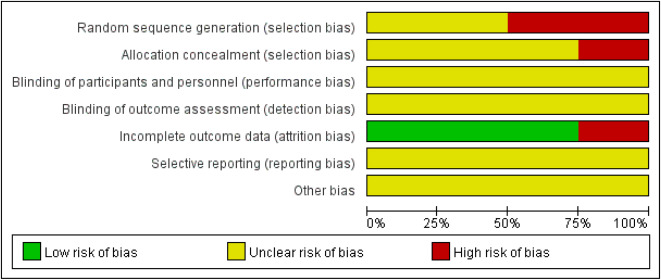
This study was designed as a narrative review and did not perform quantitative meta-analysis or risk-of-bias assessment using standardized evaluation tools. The available evidence regarding bear bile substitutes, particularly traditional medicinal herbs, remains predominantly derived from in vitro and in vivo studies, while high-quality clinical trials are still limited. Furthermore, differences in bioactive components, preparation methods, dosages, and study models make direct comparisons among the various substitute therapies challenging.
- CONCLUSION
Bear bile possesses important pharmacological properties in the treatment of liver diseases, particularly anti-inflammatory, hepatoprotective, antifibrotic, and bile acid-regulating effects. Nevertheless, its extraction and use raise major concerns regarding wildlife conservation, animal welfare, and medical ethics. Current evidence indicates that UDCA and especially TUDCA represent highly promising direct substitutes for bear bile due to their well-established hepatoprotective mechanisms and demonstrated efficacy in conditions such as NAFLD, NASH, liver cirrhosis, and bile acid metabolism disorders. Moreover, TUDCA offers the additional advantage of potential industrial-scale biosynthesis, thereby reducing dependence on natural bear bile. In parallel, several traditional medicinal herbs—including Scutellaria baicalensis, Coptis chinensis, Phellodendron amurense, Gardenia jasminoides, Andrographis paniculata, and Rheum palmatum—have demonstrated pharmacological characteristics comparable to bear bile from both Traditional Medicine and modern biomedical perspectives, particularly regarding anti-inflammatory, antioxidant, antifibrotic, and hepatoprotective effects. Collectively, these findings support the potential clinical application of bear bile substitutes and highlight a future direction toward safer, more effective, sustainable, and ethically responsible therapeutic strategies. Although further direct clinical studies are needed, the available evidence provides a sound basis for considering bear bile substitutes in the development of traditional medicine toward a more sustainable and evidence-based approach.
REFERENCES
- Zhou, C.F., G.J. Gao, and Y. Liu, [Advances in studies on bear bile powder]. Zhongguo Zhong Yao Za Zhi, 2015. 40(7): p. 1252-8.
- Park, J.-S., et al., Therapeutic Effect of Whole Bear Bile and Its Components against Croton Oil-Induced Rectal Inflammation in Rats. Biomolecules & Therapeutics, 2010. 18: p. 83-91.
- Zhao, J.-y., et al., Bear bile powder inhibits angiogenesis in vivo and in vitro. Chinese Journal of Integrative Medicine, 2015. 21(5): p. 369-375.
- Qiao, X., et al., Rapid chemical analysis of bear bile: 5 minute separation and quantitation of bile acids using UHPLC–qTOF-MS. Anal. Methods, 2014. 6: p. 596-601.
- Feng, Y., et al., Bear bile: dilemma of traditional medicinal use and animal protection. J Ethnobiol Ethnomed, 2009. 5: p. 2.
- CITES, The convention on international trade in endangered species of wild fauna and flora. In Resolutions of the conference of the parties, 1997.
- Chen, S., et al., Preventive effect of Gardenia jasminoides on HCl/ethanol induced gastric injury in mice. Journal of Pharmacological Sciences, 2016. 133(1): p. 1-8.
- Choi, Y.Y., et al., The anti-inflammatory potential of Cortex Phellodendron in vivo and in vitro: down-regulation of NO and iNOS through suppression of NF-κB and MAPK activation. Int Immunopharmacol, 2014. 19(2): p. 214-20.
- Choi, Y.Y., et al., Inhibitory effect of Coptis chinensis on inflammation in LPS-induced endotoxemia. Journal of Ethnopharmacology, 2013. 149(2): p. 506-512.
- Ruan, W.H., et al., Effects of huangqi and bear bile on recurrent parotitis in children: a new clinical approach. J Zhejiang Univ Sci B, 2013. 14(3): p. 253-8.
- Li, Y.-w., et al., Ethnopharmacology of bear gall bladder: I. Journal of Ethnopharmacology, 1995. 47(1): p. 27-31.
- Watanabe, S. and K. Tsuneyama, Cattle bile but not bear bile or pig bile induces lipid profile changes and fatty liver injury in mice: mediation by cholic acid. The Journal of Toxicological Sciences, 2012. 37(1): p. 105-121.
- Wang, N., et al., A comparative study on the hepatoprotective action of bear bile and Coptidis Rhizoma aqueous extract on experimental liver fibrosis in rats. BMC Complement Altern Med, 2012. 12: p. 239.
- Watanabe, S., et al., Roles of bile acid conjugates and phospholipids in in vitro activation of pancreatic lipase by bear bile and cattle bile. J Ethnopharmacol, 2009. 125(2): p. 203-6.
- Heuman, D.M., Hepatoprotective properties of ursodeoxycholic acid. Gastroenterology, 1993. 104(6): p. 1865-70.
- de Caestecker, J.S., et al., Ursodeoxycholic acid in chronic liver disease. Gut, 1991. 32(9): p. 1061-5.
- Paumgartner, G. and U. Beuers, Ursodeoxycholic acid in cholestatic liver disease: mechanisms of action and therapeutic use revisited. Hepatology, 2002. 36(3): p. 525-31.
- Cho, E.-J., et al., Tauroursodeoxycholic Acid Attenuates Progression of Steatohepatitis in Mice Fed a Methionine–Choline-Deficient Diet. Digestive Diseases and Sciences, 2014. 59(7): p. 1461-1474.
- Laukens, D., et al., Tauroursodeoxycholic acid inhibits experimental colitis by preventing early intestinal epithelial cell death. Laboratory Investigation, 2014. 94(12): p. 1419-1430.
- Colell, A., et al., Tauroursodeoxycholic acid protects hepatocytes from ethanol-fed rats against tumor necrosis factor–induced cell death by replenishing mitochondrial glutathione. Hepatology, 2001. 34(5): p. 964-971.
- Falasca, L., et al., Protective role of tauroursodeoxycholate during harvesting and cold storage of human liver. Transplantation, 2001. 71: p. 1268-1276.
- Laukens, D., et al., P0258 : Tauroursodeoxycholic acid dampens oncogenic apoptosis induced by endoplasmic reticulum stress during hepatocarcinogen exposure. Journal of Hepatology, 2015. 62: p. S402-S403.
- Shijing, T., et al., Synthesis of TUDCA from chicken bile: immobilized dual-enzymatic system for producing artificial bear bile substitute. Microb Cell Fact, 2024. 23(1): p. 326.
- Patel, V.S., et al., Ursodeoxycholic Acid’s Effectiveness in the Management of Nonalcoholic Fatty Liver Disease: A Systematic Review and Meta-analysis. Euroasian J Hepatogastroenterol, 2024. 14(1): p. 92-98.
- Tsuchida, T., et al., Ursodeoxycholic acid improves insulin sensitivity and hepatic steatosis by inducing the excretion of hepatic lipids in high-fat diet-fed KK-Ay mice. Metabolism, 2012. 61(7): p. 944-53.
- Xiang, Z., et al., The role of ursodeoxycholic acid in non-alcoholic steatohepatitis: a systematic review. BMC Gastroenterol, 2013. 13: p. 140.
- Zhang, Y., et al., Ursodeoxycholic acid accelerates bile acid enterohepatic circulation. Br J Pharmacol, 2019. 176(16): p. 2848-2863.
- Pan, X.L., et al., Efficacy and safety of tauroursodeoxycholic acid in the treatment of liver cirrhosis: a double-blind randomized controlled trial. J Huazhong Univ Sci Technolog Med Sci, 2013. 33(2): p. 189-194.
- Wang, H., et al., Tauroursodeoxycholic Acid Improves Nonalcoholic Fatty Liver Disease by Regulating Gut Microbiota and Bile Acid Metabolism. Journal of Agricultural and Food Chemistry, 2024. 72(36): p. 20194-20210.
- Vandewynckel, Y.P., et al., Tauroursodeoxycholic acid dampens oncogenic apoptosis induced by endoplasmic reticulum stress during hepatocarcinogen exposure. Oncotarget, 2015. 6(29): p. 28011-25.
- Cho, E.J., et al., Tauroursodeoxycholic acid attenuates progression of steatohepatitis in mice fed a methionine-choline-deficient diet. Dig Dis Sci, 2014. 59(7): p. 1461-74.
- Appiah, S.S., Evaluation of herbs as potential alternatives for bear bile and rhino horn used in traditional Chinese medicines : chemical and biological analysis. 2006, Middlesex University.
- Jung, H.S., et al., Antiallergic effects of Scutellaria baicalensis on inflammation in vivo and in vitro. J Ethnopharmacol, 2012. 141(1): p. 345-9.
- Appiah, S., et al., Herbal alternatives to bear bile: effects of Scutellaria baicalensis Georgi on IL6 promoter and CYP3A4 activities. Journal of Herbal Pharmacotherapy, 2006. 7: p. 3-4.
- Cuéllar, M.J., et al., Topical anti-inflammatory activity of some Asian medicinal plants used in dermatological disorders. Fitoterapia, 2001. 72(3): p. 221-229.
- Dong, Q., et al., Scutellaria baicalensis Georgi extract protects against alcohol‑induced acute liver injury in mice and affects the mechanism of ER stress. Mol Med Rep, 2016. 13(4): p. 3052-62.
- Nan, J.-X., et al., Scutellaria baicalensis inhibits liver fibrosis induced by bile duct ligation or carbon tetrachloride in rats. Journal of Pharmacy and Pharmacology, 2002. 54(4): p. 555-563.
- Park, H.S., et al., Korean Scutellaria baicalensis Georgi methanol extracts inhibits metastasis via the Forkhead Box M1 activity in hepatocellular carcinoma cells. Journal of Ethnopharmacology, 2014. 155(1): p. 847-851.
- Xiao, J.R., C.W. Do, and C.H. To, Potential therapeutic effects of baicalein, baicalin, and wogonin in ocular disorders. J Ocul Pharmacol Ther, 2014. 30(8): p. 605-14.
- Yotsumoto, H., et al., Inhibitory effects of oren-gedoku-to and its components on cholesteryl ester synthesis in cultured human hepatocyte HepG2 cells: evidence from the cultured HepG2 cells and in vitro assay of ACAT. Planta Med, 1997. 63(2): p. 141-5.
- Jung, W.S., et al., Gardenia jasminoides protects against cerulein-induced acute pancreatitis. World J Gastroenterol, 2008. 14(40): p. 6188-94.
- Lin, W.H., et al., Gardenia jasminoides extracts and gallic acid inhibit lipopolysaccharide-induced inflammation by suppression of JNK2/1 signaling pathways in BV-2 cells. Iran J Basic Med Sci, 2015. 18(6): p. 555-62.
- Chen, Y.H., et al., Gardenia jasminoides attenuates hepatocellular injury and fibrosis in bile duct-ligated rats and human hepatic stellate cells. World J Gastroenterol, 2012. 18(48): p. 7158-65.
- Kishore, V., et al., Inhibition of Group IIA Secretory Phospholipase A2 and its Inflammatory Reactions in Mice by Ethanolic Extract of Andrographis paniculata, a Well-known Medicinal Food. Pharmacognosy Res, 2016. 8(3): p. 213-6.
- Singh, D.P., et al., Hepatoprotective Effect of A Polyherbal Extract Containing Andrographis Paniculata, Tinospora Cordifolia and Solanum Nigrum Against Paracetamol Induced Hepatotoxicity. Pharmacogn Mag, 2015. 11(Suppl 3): p. S375-9.
- Abdulaziz Bardi, D., et al., Andrographis paniculata leaf extract prevents thioacetamide-induced liver cirrhosis in rats. PLoS One, 2014. 9(10): p. e109424.
- Koh, P.H., R.A. Mokhtar, and M. Iqbal, Andrographis paniculata ameliorates carbon tetrachloride (CCl(4))-dependent hepatic damage and toxicity: diminution of oxidative stress. Redox Rep, 2011. 16(3): p. 134-43.
- Zhang, R.Z., et al., Effect of Rheum palmatum L. on NF-κB signaling pathway of mice with acute liver failure. Asian Pac J Trop Med, 2015. 8(10): p. 841-7.
- Yang, F., et al., Evaluation of the protective effect of Rhei Radix et Rhizoma against α-naphthylisothiocyanate induced liver injury based on metabolic profile of bile acids. J Ethnopharmacol, 2012. 144(3): p. 599-604.