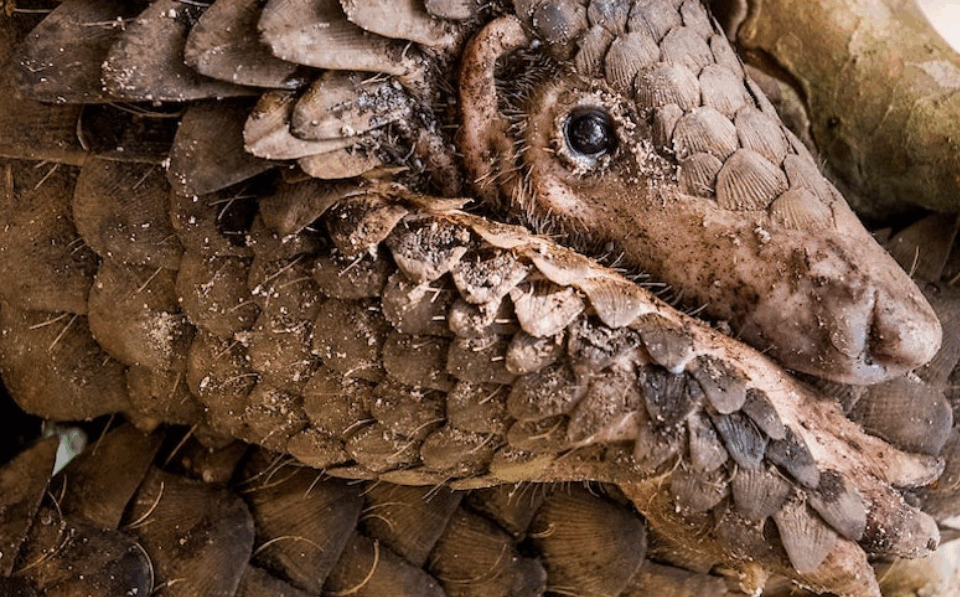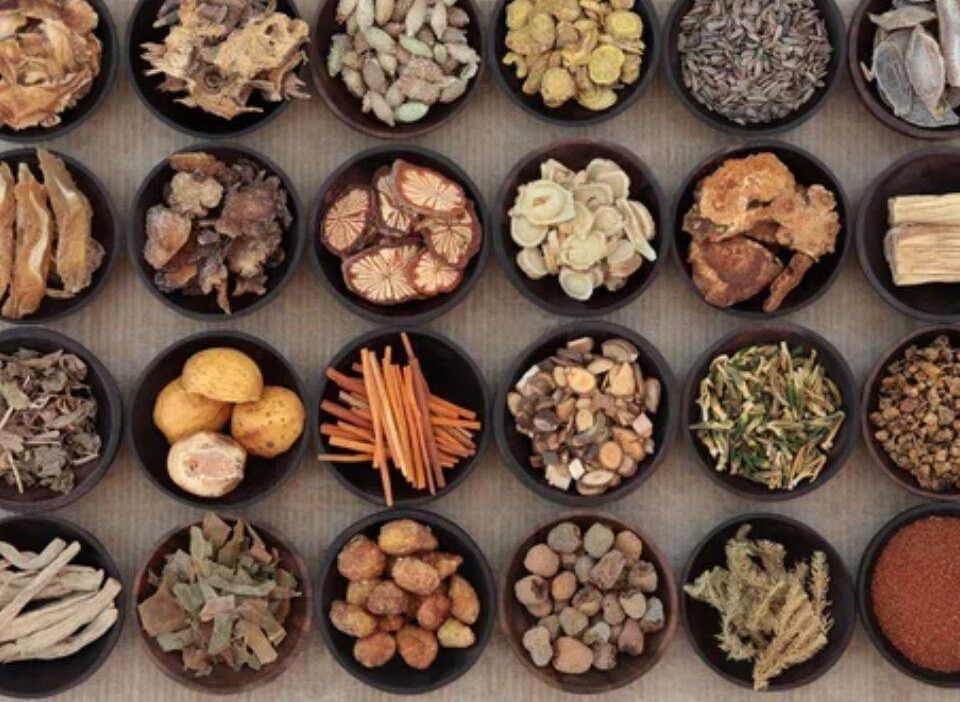


People’s Daily Online, Beijing, October 22 (Reporter Sun Hongli) The National Medical Products Administration (NMPA) and the National Administration of Traditional Chinese Medicine (NATCM) recently jointly issued the “Announcement on Matters Concerning Supporting the Research and Development of Substitutes for Rare and Endangered Chinese Medicinal Materials” (hereinafter referred to as the “Announcement”). It proposes that, based on clinical medication needs and considering the resources of Chinese medicine and specific varieties, the current stage focuses on supporting the research and development of substitutes for rare and endangered Chinese medicinal materials such as pangolin scales (Chuan Shan Jia), saiga antelope horn (Ling Yang Jiao), Calculus Bovis (Niu Huang), bear bile powder (Xiong Dan Fen), and Cordyceps sinensis (Dong Chong Xia Cao) used in the production of Chinese medicines.
Rare and endangered Chinese medicinal materials are an important component of Chinese medicine and play a unique role in the prevention and treatment of major diseases by Traditional Chinese Medicine (TCM). Currently, technologies for the wild cultivation or artificial breeding of endangered medicinal materials are still insufficient to resolve the supply-demand imbalance caused by industrial development in the short term.
The “Announcement” proposes supporting the inclusion of research on clinically urgent substitutes for rare and endangered Chinese medicinal materials into relevant scientific research projects. The research results can be registered as TCM scientific and technological achievements, and those that meet the conditions may be recommended for relevant national awards. Combining clinical medication and industrial development needs, the departments will deepen collaborative innovation among industry, academia, research institutions, and medical professionals, jointly tackle key technologies for researching substitutes for rare and endangered Chinese medicinal materials, and accelerate the transformation and application of scientific research achievements.
For market authorization applications for substitutes for rare and endangered Chinese medicinal materials, applications for substitutes that already have national drug standards will be submitted under the “Other Circumstances” category in the TCM registration classification. Newly developed substitutes for rare and endangered Chinese medicinal materials shall be submitted under the “1.3 New Medicinal Materials and Their Preparations” registration category. Applicants may communicate with the Center for Drug Evaluation (CDE) of the National Medical Products Administration regarding key technical issues before submission.
The departments will strengthen research on the regulatory science of Chinese medicine, give full play to the role of experts, and study and formulate technical guidelines related to the research and development of substitutes for rare and endangered Chinese medicinal materials based on different registration application pathways and classified by category and circumstance, to guide the scientific development of substitutes.
Registration services for the research and development of substitutes for rare and endangered Chinese medicinal materials will follow the principles of “early intervention, one policy for one enterprise, full-process guidance, and coordinated R&D and review.” Priority review and approval will be implemented for registration applications for substitutes with clear clinical positioning and significant clinical value. Substitutes listed as key supported items in the “Announcement” and other urgently needed rare and endangered Chinese medicinal material substitutes recognized by the State Council’s health or TCM competent authorities, which have clinical trial data showing efficacy and predictable clinical value, may be granted conditional approval.
The “Announcement” requires provincial drug regulatory departments to strengthen strict supervision over the production quality of rare and endangered Chinese medicinal material substitutes within their jurisdiction and enhance adverse drug reaction monitoring for relevant varieties. Relevant Market Authorization Holders (MAHs) shall fulfill their primary responsibility, carry out in-depth post-marketing research and evaluation, and accumulate data to further improve the application and management of substitutes.
Source: health.people.com.cn